
 •
Rating:
•
Rating:
THE REVIEW
The seven transcribed vices, or rather, translated into music. Better yet, into sounds. Pride, greed, lust, wrath, gluttony, envy, sloth, with the addition of one vice, my vice. Pride ("Flowers On Pride") sounds majestic, sometimes intrusive, and surely overwhelming. Yet, at the same time, it can be elegant, capable of hiding fear, transforming it into active drive. Greed ("Avarice") sounds like a threat, raw and unscrupulous. And when it seems about to fade, the last beats indicate that it never truly dies. At most, it hides. And it only does so to make way for the sweet notes of lust ("Lust") which carries with extreme, yet spontaneous, impropriety through the peaceful notes of the flute and piano, flowing through those heavenly choirs. Such naivety, ultimately, does not surprise, but hardens. And here is where my vice ("My vice") takes shape to counter everything else, to make it more tangible, less metaphysical.
Wrath ("Ira") is nothing but the embodiment of my vice, which was in itself only an introduction to darkness, overly emphasized but extremely concrete and expressive, almost to want to immediately deny everything that precedes it. Gluttony ("Gluttony") is something difficult to express but very easy to desire. The delightful flow of extremely volitive visions contrasts, and in a way completes, the other slice of the cake (or the other side of the coin?) that does not want to give in to the lascivious allure of adrenaline. However, envy ("Envy"), consumes, eats away, gnaws, leaving no space other than the surrender of sloth ("Sloth"). Ah, the much-desired conclusion. Laziness, idleness. We came into the world just to mess around, don't let anyone convince you otherwise, someone said. They were right.
Between avant-garde, classicism, progressive hints and so much imagination, as well as great class, Opus Avantra (Avan = avant-garde - tra = tradition), have delivered to Italy and the World this work, in my opinion phenomenal, which - through the winding compositions, with an eye turned towards Canterbury (too much?), but without forgetting the melodies, at times moving, always extremely refined – has proven to be beautiful and unforgettable, even for the unusual sound standards that come out of the record.
Loading comments slowly
Summary by Bot
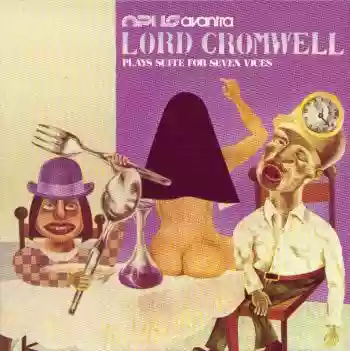
This review praises Opus Avantra's album 'Lord Cromwell Plays Suite for Seven Vices' for its imaginative musical portrayal of the seven vices plus an additional personal one. Combining avant-garde, classical, and progressive rock influences, the album delivers a unique, emotionally rich listening experience. The compositions are refined, memorable, and evocative, blending complexity with melody. The reviewer highlights the album's originality and high artistic value.Tracklist
Opus Avantra
Opus Avantra formed in 1973; key contributors mentioned in the reviews include Alfredo Tisocco, Donella Del Monaco, Giorgio Bisotto and Renato Marengo. The group aimed to unite avant-garde and tradition, blending contemporary classical, avant-garde and progressive rock.02 Reviews
