
 •
Rating:
•
Rating:
THE REVIEW
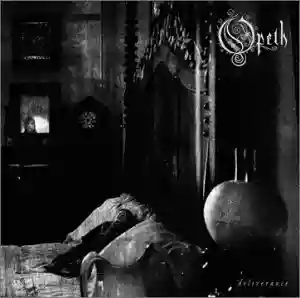
This malevolent and cruel gem (which can also be poignant and sublime) is the midpoint between the masterpiece that is "Blackwater Park" and the solitary and desolate pearl that is "Damnation" (with which it should have formed a double album). This is the summary, but in reality, there's much more to say because "Deliverance" represents a new step in the stylistic evolution of the band led by the 360° genius of Mikael Åkerfeldt (a complete guitarist, exceptional singer, both in growl and clean, and a great songwriter). An evolution that, nevertheless, does not know rest and with each chapter gives us something new.
"Deliverance" is totally different from "Blackwater Park". Here, the double-bass drumming of Martin Lopez takes us back to "Orchid" and "Morningrise". Åkerfeldt and Peter Lindgren reduce the use of acoustic guitars, also introducing heavy riffs and Thrash Metal influences, without sparing us blazing and sharp solos (present in greater numbers than the previous one). Martin Mendez once again proves himself to be a top-level bassist, using an incredible variety of bass lines and supporting the two guitars, both in the hard and heavy Death Metal parts and in the arpeggios (few). Åkerfeldt is devastating in his growl (a black demon emerging from the darkness to drag you into the deep and painful abyss of death) even further improved, but also melancholic and fragile in his clean singing. And the keyboards? It must be said that Opeth uses sessionists for the keyboards (in the DVD "Lamentations" the excellent Per Wiberg appears, for example). One must not forget the contribution of Porcupine Tree's leader, Steven Wilson.
"Wreath" immediately makes us understand the essence of the album, an electric genocide of high tension, without breaks and few melodic openings. Eleven minutes of very Thrash guitar rampages, anthology-worthy double-bass drumming (not quite Dave Lombardo's helicopter effect, but close) and evil growl. "Deliverance" (Title-Track) is one of Opeth's stylistic peaks. Even more extended (13:36), the malevolence of the Death vocals blends perfectly with Åkerfeldt's sultry voice. A succession of violent lashes, enchanted arpeggios, and blazing solos. The masterpiece within the (yet another) masterpiece of Opeth. "A Fair Judgement" stands out from the previous ones. A distant and melancholic piano, dancing on icy and dark notes, introduces us to another masterpiece. Mikael sings melodically and poignantly and an exceptional solo follows us after both the first two verses. An arpeggio break and another slow and mesmerizing solo, followed by a new electric attack and another solo, then calm, and concluding instrumental part (forgive the length, but it all had to be described). "For Absent Friends" is the exception. A faint ray of sunshine in the midst of a storm. Two minutes and a little of intertwining between a lead guitar and an arpeggio one. "Master's Apprentices": Opeth's music has never been so evil. A Black Metal style start followed by a reflective, quiet pause, where Steven Wilson's background vocals find space. A devastating finale with Mikael's renewed and increasingly violent growl. Opeth has never been so brutal. The concluding "By The Pain I See In Others" summarizes everything contained in the record, ending it in style. The supposed "Hidden Track" is splendid, with Mikael's voice alone wrapped in electronic effects.
"Deliverance" is certainly not an easy listen, but for those who love experimentation and a Death Metal devoted to progressive influences, it could be a sure and pleasant discovery in the musical field. If you still want to approach this band, I recommend the previous "Blackwater Park" and the latest "Damnation" (an album inspired by '70s Prog-Rock without Death Metal and hyper-violent guitars). An impeccable album.
Loading comments slowly
Summary by Bot
Deliverance by Opeth is a pivotal album showcasing the band's stylistic evolution towards a heavier, thrash-tinged death metal sound with progressive elements. Mikael Åkerfeldt's versatile vocals and songwriting are at their peak, supported by powerful drumming, bass, and guitar work. The album stands as a brutal yet melodic masterpiece situated between Blackwater Park and Damnation. Highlights include intense riffing, melodic solos, and emotional contrasts.Tracklist Lyrics Videos
Other reviews
By LUGREZZO
"Deliverance is probably the least catchy album of all Opeth’s masterpieces, but once you set it to play, it can go on for whole months."
"Master’s Apprentices is truly awesome – ridiculously beautiful rhythms with an out-of-this-world final buildup and fade-out."
