
 •
Rating:
•
Rating: THE REVIEW
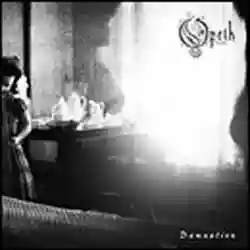
One of the best albums released in this long 2003 comes from the cold of Scandinavia, where, alongside the now trusty Steven Wilson of Porcupine Tree, Opeth, the most successful progressive metal band (along with Meshuggah) of recent years, has gathered once more, this time to offer its audience the long-awaited acoustic album that was repeatedly announced.
In reality, it's not a true surprise, since the sound of Damnation is now typical of the acoustic goth interludes and tracks reminiscent of Death In June found in the previous albums of the Swedish band. Mikael and Peter, the two leaders of the group, have done nothing but transpose these dark atmospheres with striking Pink Floyd-esque reminiscences into a single CD, creating an album of the highest quality, well performed and interpreted with splendid participation by the other members of the group.
For those unfamiliar with Opeth and have never listened to various tracks like Harvest, Benighted, or the underappreciated Still Day Beneath The Sun, this is truly an astonishing record, and moreover, completely far from the standards of unplugged albums of rock bands in recent years. It's a dark, sad album, to be listened to in complete solitude, and preferably with dim lights to be fully absorbed.
The peak, the song that stands out from all the others and will eventually prove to be among the best in the entire Opeth production, is undoubtedly Hope Leaves, a divine interpretation of loneliness and despair, gathered around a guitar arpeggio that is anything but trivial, and a vocal performance not far from the golden era of Gilmour. If this was the center of the entire album, then Windowpane proves to be a perfect introduction to the atmospheres ruling within this album, and the dark piano chords of To Rid The Disease are able to make you stop and reflect on your condition like little else, leaving a thin yet consistent veil of fear worthy of the most convincing mysteries of this crazy world.
Don't miss this album if you love unplugged arrangements, because there are truly few of this level to be heard. Try it to believe it. To tell the whole story, this album might be more appreciated by new listeners coming from rock experiences than by the old fans who have been following them for several years, and who perhaps appreciate much more the growling and the impurely defined progressive music of the early Opeth. For those who have already listened to this album, a DVD is also for sale with 18 tracks including all of Damnation and some of the recent successes of the Scandinavian group.
Loading comments slowly
Summary by Bot
Opeth's 2003 album Damnation is a standout acoustic work blending gothic and progressive influences. Collaborating with Steven Wilson, the band departs from their usual metal sound, creating a dark, melancholic atmosphere reminiscent of Pink Floyd. Highlights include the emotionally charged track 'Hope Leaves' and reflective pieces like 'Windowpane' and 'To Rid The Disease'. The album is recommended for both new listeners and fans of unplugged, high-quality progressive music.Tracklist Lyrics Videos
Other reviews
By Lethe
"Damnation is not a mere album, it is an experience you absolutely must have!"
"Starting from this piece... fatigue of living moves away definitively, a sensation that will persist uninterruptedly for the entire duration of the album."
By KingJudas
A lullaby strangled at birth, like a dawn that doesn’t want to rise or a butterfly that gives up flying knowing that sooner or later its end will come.
To interpret 'Damnation' it’s not enough to listen, one must reflect and comprehend the absurd meaning behind it and that is the basis of the 'Opethian' thought, genius, and recklessness.
