 •
Rating:
•
Rating:
THE REVIEW
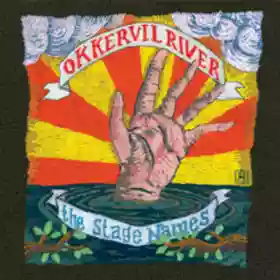
I approached this "The Strange Names" with the awareness that I can't quite digest alternative rock. I have nothing against sonic experimentation, on the contrary, but, mistakenly, some time ago I still associated this category (alt-rock) with post-rock, which I really cannot digest. I pleasantly discovered that Okkervil River are light-years away from it. Their music is usually crepuscular, vaguely melancholic... but nothing to do with the exasperating post-rock minimalism.
In my opinion, this latest work is their best. The previous, "Black Sheep Boy", although almost unanimously considered a little gem in their discography, I found excessively dark and redundant; if not in the music, at least in the existential condition that triggered it.
In "The Strange Names," however, everything shines with a freshness and immediacy that has the notable merit of not succumbing to banality. The term alt-rock indeed feels inadequate. The music played here, although it could be considered indie, is fundamentally a well-crafted rock'n'roll, spiced up with a piano and a first-rate orchestral setup. Moreover, here the American band, entrusting the production to Brian Beattie (who does his dirty yet honest work at the console), gains in sound quality, decidedly superior to the standard.
However, what I think characterizes the album the most (and all of Okkervil River) is the histrionic and highly expressive voice of their leader. While it's true that the musical landscape might offer more powerful or wider ranged tones, Will Robinson Sheff possesses an emotional charge that he manages to adapt and perfectly shape according to the musical style of each track. His vein of self-irony is also clearly present everywhere (the eighth track is titled "Title track"), and I believe this "melancholic irony" contributes to the success of his interpretations.
Describing the tracks from a musical point of view is not simple: I can say that, among semi-acoustic ballads (but the trumpets and the rest occasionally resurface) and old-fashioned nursery rhymes ("Savannah Smiles"), interrupted by rousing and wonderfully fitting rhythms, you find yourself navigating a sound that is sunny yet serious, carefree yet incredibly deep (there are many references in the lyrics to classical culture and literature). The album is therefore worthwhile, and very much so. Among the many bands in the alternative scene (or considered as such), Okkervil River is one of those few that do not disappoint. They can be considered the flagbearers of a clear yet sometimes raw sound, incisive in terms of expression, nocturnal, and perhaps even schematic, but never sterile.
Loading comments slowly
Summary by Bot
The reviewer praises Okkervil River's album The Stage Names as their best work, highlighting its fresh indie rock sound distinct from post-rock minimalism. The production by Brian Beattie is noted for superior quality, while Will Sheff's expressive and self-ironic vocals give the album emotional depth. The music balances melancholy with lively rhythms and rich orchestration. The album is recommended for those seeking an incisive yet engaging alternative rock experience.Tracklist Lyrics Videos
