
 •
Rating:
•
Rating:
THE REVIEW
The "Nomadi" are Augusto Daolio, and Augusto Daolio is one of the most genuine and engaging singers in Italian pop music. His voice, warm and enveloping, has sung generational anthems.
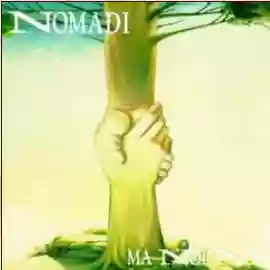
The album "Ma noi no" is the last album released by the group with Augusto still alive. Two posthumous albums will follow: the sincere and touching live "Ma che film la vita!" and the more trivial and negligible "Contro".
"Ma noi no", one of the group's best-selling albums, is a collection of songs already published in other albums, with themes of civil consciousness, non-violence, love, and friendship. Daolio's interpretation, so clear and engaging despite his age and (especially) the cigarettes, and so universal despite the typical and unmistakable low Reggian cadence, manages to make even the lesser tracks interesting, or at least listenable ("Tutto a posto", "Gordon", "Il pilota di Hiroshima", the title track itself, "I ragazzi dell'olivo", and "Gli aironi neri"). The collection includes almost all the best songs of the group, from the stories borrowed from friend Guccini to the originals "Io vagabondo" (1972) and "Un giorno insieme" (1973), and finally two of their most famous covers, "Come potete giudicar" ("The revolution Kind" by Sonny Bono) and "Ho difeso il mio amore" ("Nights in White Satin" by the Moody Blues).
The absolute highlight of the collection, and a true programmatic manifesto of the group, is the anthem "Io vagabondo". Who, when listening to it, hasn't felt the sensation of the "wind on the skin" or the "warm fire of a fireplace"? If it's not the most beautiful Italian song ever, it is certainly the most moving. Also notable are the Guccini-esque "Dio è morto" and "Canzone per un'amica", which convey a sincere and genuine love for life, stronger than injustices and death itself. A banal message? Perhaps, but not in Augusto's mouth.
Certainly one of the best collections to approach or rediscover the "Nomadi".
Loading comments slowly
Summary by Bot
The album 'Ma noi no!' by Nomadi is a significant collection featuring the warm voice of Augusto Daolio. It highlights themes of civil consciousness, non-violence, love, and friendship through some of the group's best songs and covers. The album serves as a moving farewell with Daolio's last recorded performances and stands as a great introduction or rediscovery of the band's legacy. Key highlights include the iconic 'Io vagabondo' and impactful covers that enrich the collection.Tracklist Lyrics Videos
Nomadi
Nomadi are an Italian music group founded in the early 1960s, strongly associated with vocalist Augusto Daolio and keyboardist Beppe Carletti. The reviews emphasize their long live activity, socially engaged songwriting (often connected to Francesco Guccini’s lyrics), and a continued career through major lineup changes after Daolio’s death.24 Reviews
Other reviews
By Bromike
‘Ma noi no’ is an excellent album for those who want to rediscover the early Nomadi, although it is covered by a veil of sadness as it is the last album produced before the death of a great voice like Augusto Daolio.
The stories of Guccini remain poetry, portraying themes like road deaths and nuclear holocaust with genuine emotion and depth.
