
 •
Rating:
•
Rating:
THE REVIEW
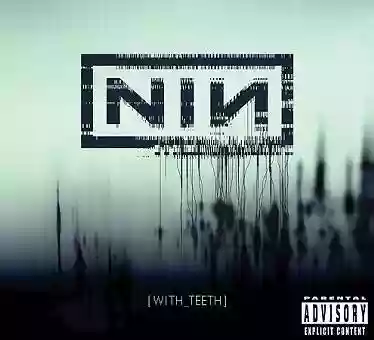
Six years were needed for Trent Reznor to go through a long period of detoxification and finally return to the studio, at the beginning of last year, to follow up on "The Fragile", the last work signed by Nine Inch Nails. As the radio-friendly single "The Hand That Feeds" had already suggested, "With Teeth" is an album slightly less raw and angry compared to previous NIN works, benefiting from a sound, though still very refined, decidedly more “human”: The album reflects a turning point in my life, the message is more human: the computer is naturally there but this time instead of being the source, it’s a vehicle. Instead of playing the different parts and then inserting them into the structure, I started by playing the entire songs first, and then added the drums to have a different energy
.
The first novelty indeed consists in having (partially) shelved the drum machine – omnipresent in previous albums – in favor of Dave Grohl's imaginative drum-playing, a special guest of the album, as well as Jeordie White (Marilyn Manson) on bass.
The basic formula, however, remains the same, namely that fusion of rock and electronics that has influenced entire generations of bands from the early nineties onwards. Thus, it transitions from the techno-metal of "You Know What You Are?" to the electro-grunge of "The Collector" and "Getting Smaller", from the noise distortions of "Love Is Not Enough" and "The Line Begins To Blur" to the ballads "Every Day Is Exactly The Same" and the poignant, enchanting, "Right Where It Belongs", the track that closes the album.
Loading comments slowly
Summary by Bot
After six years away, Trent Reznor returns with Nine Inch Nails' With Teeth, showcasing a less raw and angrier sound. Emphasizing a more human and emotional tone, the album blends rock and electronic elements with live drumming by Dave Grohl. The work balances energetic tracks and poignant ballads, marking an important turning point in Reznor's musical journey.
Nine Inch Nails
Nine Inch Nails is an American industrial rock project founded by Trent Reznor in 1988. Reznor is the primary creative force (songwriter, producer, multi-instrumentalist). The project is known for landmark albums such as The Downward Spiral and The Fragile.40 Reviews
Other reviews
By josi_
Not with this "With Teeth," which ten years ago would have been a great album, but now is - in a word - useless.
There is one song, only one, that adds something to the crackling and anguished breath of the NIN world, and that is Right Where It Belongs.
By Undying
Great artists never meet public expectations. They follow instinct and talent, never resting on their laurels, and always challenging themselves.
Right Where It Belongs is a demonstration that the genius of an artist can manifest even (and especially) in simplicity.
By Brizz89
This album confirms how Reznor is musically a great composer, and how he has been able to sustain for over 15 years a genre he practically invented without ever veering off course.
Only is perhaps the most beautiful song on the album: a mix of electronics, NIN’s typical industrial, Prodigy’s techno-metal, and ’80s funk.
