
 •
Rating:
•
Rating:
THE REVIEW
Tracklist: STUDIO/ XXII STRADA / I CAVALIERI DEL LAGO DELL'ONTARIO/ STORIA DI UNA FOGLIA/ NATO ADESSO / C'E' TROPPA GUERRA/ PAOLO E FRANCESCA/ CHI MI PUO' CAPIRE
Lineup: Nico Di Palo (guitar, lead vocals); Gianni Belleno (percussions, vocals); Frank Laugelli (bass); Maurizio Salvi (piano, organ, synthesizers); Vittorio De Scalzi (acoustic guitar and vocals on "I Cavalieri del lago dell'Ontario").
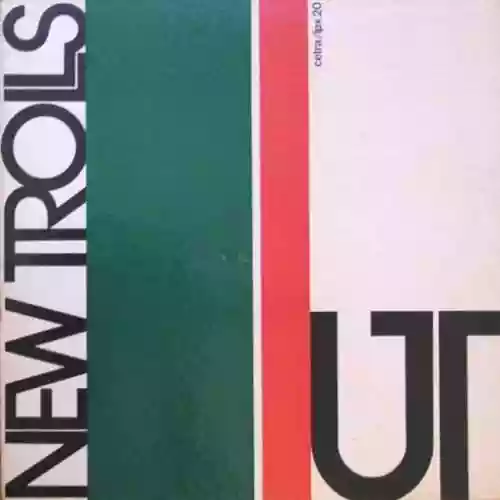
In the early seventies, the Genoese band New Trolls was one of the most eclectic and brilliant groups of the magmatic Italian underground scene: a band capable of ranging, sometimes within the same track, from symphonic/romantic rock (more or less pompous) to more abrasive hard rock, always with an ear tuned to melody (more or less sweet). To get an idea of their schizophrenia, just listen to this album from '72, which, although less ambitious and "progressive" in the strict sense compared to the previous "Searching for a Land," is perhaps the most representative of their multifaceted style. Ironically, almost to highlight a distancing from the commercial failure of "Searching for a Land" (entirely sung in English), the cover features a quote from Dante's Convivio, which harshly critiques the xenophilia of "malvagi uomini d'Italia [..] che commèndano lo volgare altrui e lo proprio dispregiano".
The presence of the classically trained keyboardist Maurizio Salvi becomes predominant especially in the first two tracks (the first is a reworking of a piano study by Johann Baptist Cramer) which seem to come out of the repertoire of EL&P; Nico di Palo's hard rock cravings find release particularly in the aggressive "C'è troppa guerra" (where the guitarist places two epidermic riffs worthy of the genre's anthology), while their taste for melody materializes in "Storia di una foglia", "Paolo e Francesca" (noteworthy here is Di Palo's solo, which at one point mimics the human voice) and in the dramatic and vaguely Moody Blues-like "Chi mi puà capire".
Among them stand out the two gems of the record: "I Cavalieri del lago dell'Ontario" and "Nato adesso".
The first track (the only song sung by De Scalzi with lyrics by the Italo-Canadian Frank Laugelli) is a typical prog-song recounting the defeat of the legendary Canadian rangers ("Il sentiero è lungo e duro,sono stanco non resisto più,ho perduto i miei compagni,al ritorno piangerò,la foresta mi abbracciava,al ritorno non pensavo più,giubbe rosse miste al sangue che l'Ontario via trascinerà"). The evocative opening march is followed by an irresistible funk interlude, then returning to the initial martial rhythm but, surprise, the delightful moog motif is replaced by a famous classical theme.
The second is a splendid ballad built on a piano ostinato by Maurizio Salvi (actually it's the Eminent 310 organ) over which the flights of Di Palo's electric guitar take shape. Also noteworthy is the text, again by the guitarist: ("Per te che stai nascendo con anima nuova,non basta una vita a toccare il muro con le dita,a te che nasci da una vecchia paura,ingabbiato ad essere un altro").
Loading comments slowly
Summary by Bot
The 1972 album 'Ut' by New Trolls perfectly showcases the band's eclectic style, blending symphonic, hard rock, and melodic prog elements. With classical influences and standout performances by key members like Nico Di Palo and Maurizio Salvi, the album is a cornerstone of Italian progressive rock. Notable tracks such as 'I Cavalieri del lago dell'Ontario' and 'Nato adesso' highlight the band's musical versatility and emotional depth.Tracklist Videos
New Trolls
New Trolls are a Genoese Italian rock band often associated with Italian progressive rock, noted for their early-1970s blend of rock instrumentation with classical/orchestral writing (especially the “Concerto Grosso” works with composer Luis Enriquez Bacalov), and for a long, turbulent history of lineup changes and stylistic shifts.14 Reviews
