
 •
Rating:
•
Rating:
THE REVIEW
Let's clear up any misconceptions right away: we're talking about pop music. Let's avoid heavy and inappropriate comparisons: '80s pop is meant to flow smoothly through the car radio or background music. The melodies are very catchy, and the lyrics light enough to be listened to casually.
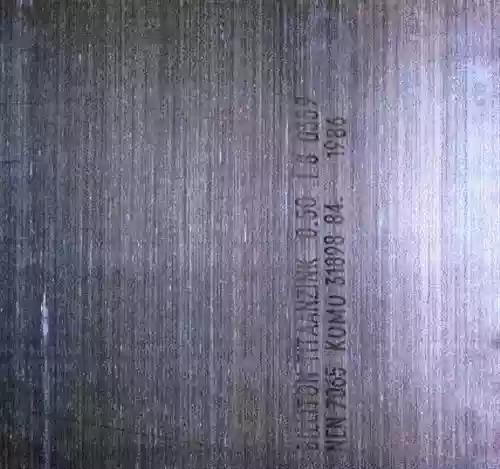
Brotherhood, dated 1986, the fourth album by New Order, contains nine tracks of good pop music. Compared to other albums by the Manchester trio, such as the well-known Power, Corruption&Lies, in my opinion, it benefits from a greater overall homogeneity, without a clear stylistic break between the electronic and new-wave tracks. The lyrics, paying homage to the individualism of those Eighties, always talk about heart-wrenching love & related feelings. The positive aspect is the music: both the melodies and the arrangements, despite their simplicity, are spot on.
The record begins with Paradise, an electro-pop to which the counterpoints and the Depeche Mode-style synths add a certain depth. Weirdo presents the more new-wave face of New Order: a brisk piece, slightly melancholic, where the easy melody is supported by Hook's great bass work. As It Is When It Was is a romantic mid-tempo ballad with the usual "big bass riff" and a nice crescendo ending. With Broken Promises, the group attempts a tense atmosphere, perhaps venturing a bit out of their expressive registers. Way of Life is another new-wave piece with a marked New Order signature: noteworthy is the usual Hook's bass line and a couple of happy guitar interventions by Sumner. At this point, in 1986, you would have had to flip the 33 RPM record...
Side B opened with Bizarre Love Triangle, an electronic piece that was a hit in clubs worldwide: heard today, it sounds rather "old." After a good, almost subdued acoustic start, All Day Long loses itself with the overly solemn, almost epic synth interventions. The electro-pop of Angel Dust seems almost "Jurassic" today, A.D. 2006. The finale is entrusted to Every Little Counts, a beautiful atmospheric slow song sung almost in a whisper by Sumner.
Loading comments slowly
Summary by Bot
Brotherhood, New Order's 1986 album, delivers smooth, catchy 80s pop with a seamless mix of electronic and new wave styles. The lyrics explore love and individualism with lightness, supported by spot-on melodies and arrangements. The album shows more homogeneity than previous works and includes tracks that remain memorable today. Highlights include 'Paradise' and 'Bizarre Love Triangle,' though some songs sound dated by modern standards.Tracklist Lyrics Videos
New Order
New Order are an English band formed in Manchester in 1980 by Bernard Sumner, Peter Hook and Stephen Morris after the end of Joy Division; Gillian Gilbert later joined. They became influential for merging post-punk with electronic and dance music, with classics such as “Blue Monday.”26 Reviews
