 •
Rating:
•
Rating:
THE REVIEW
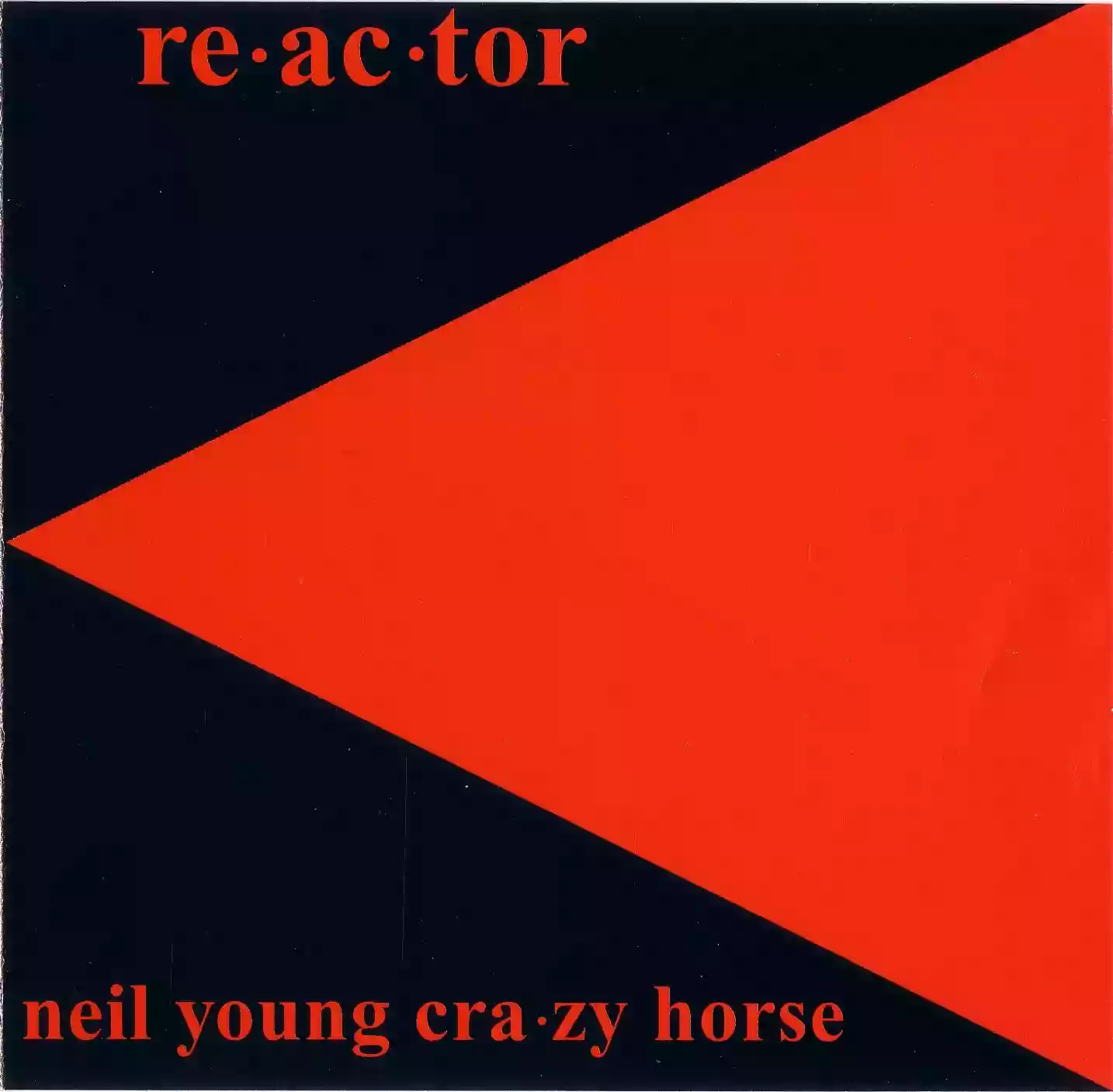
We are in 1981: with this album Neil officially enters his "crisis" of the '80s which will last until Freedom, among daring experiments (like this one) and nostalgic wistfulness. Essentially, the album is an exaggeration of the final part of Rust Never Sleeps, with full-blown feedback and distortions, obviously nothing comparable because here the structure is deliberately unruly, weak, and monotonous. There are many oddities in the record, besides the minimal cover and the tracklist with fragmented song names (e.g., Motor City becomes Mot-or Cit-y) on the back cover we find the Latin translation of a prayer used by the alcoholic anonymous circle. This last one is very indicative because it reflects on Young's dark period when his children were seriously ill and possibly the main cause of the disarray of those years. It indeed seems that he does things in a careless and deliberately understated way (not only in this album) and the most evident proof is in T-Bone, an authentic mockery of 9 minutes. with the same meat-grinder rhythm and the same line (Got smashed potatoes/ain't got no t-bone) repeated endlessly. However, if you want, it can be a fun episode like Rapid Transit (with the dragged-out singing rrrrrr-apid...), Motor City (an indictment against Japanese cars) and Opera Star, full of little voices and with an almost punk flavor. There is also a diversion: Get back on it, the only undistorted song. Moe The Sleaze and Southern Pacific are the most balanced tracks and closest to the standard song form, obviously not devoid of various noises, the rhythm of the latter indeed makes one think of a steam locomotive. It ends beautifully with Shots, the best track (written in '78): a relentless 7-minute ride, with enjoyable verses, rough guitars, and machine gun noises in the background.
In short, by common judgment standards, the album does not reach sufficiency but is energetic and fun to listen to with its irony (bittersweet), we also have to consider the difficult period in which it came out. Some argued that it would have been better if Neil, instead of making these questionable albums in a flurry, had taken a break for a while, but in the end, why deprive ourselves of this mad reactor?
Loading comments slowly
Summary by Bot
Neil Young's 1981 album Re-ac-tor showcases his turbulent '80s period with raw feedback and unruly song structures. Though uneven and unconventional, the album offers ironic and energetic tracks like 'Shots' and 'Rapid Transit'. It reflects his personal struggles during a difficult time, creating a unique, if divisive, listening experience.Tracklist Videos
Neil Young
Neil Young (born 1945) is a Canadian singer-songwriter and musician, active since the 1960s. He gained prominence with Buffalo Springfield, later collaborated with Crosby, Stills, Nash & Young, and has released influential solo albums and records with Crazy Horse across folk, country and electric rock.67 Reviews
