
 •
Rating:
•
Rating:
THE REVIEW
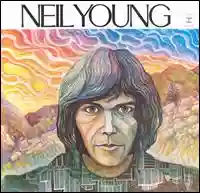
The solo debut of Neil Young is generally considered an intermediate album. A step – moreover, lacking significant market impact – in the journey between the glorious adventure of the Buffalo Springfield and the beginning of the successful partnership with Crazy Horse, with whom Neil would produce the archetypal “Everybody Knows this is nowhere.”
This assumption is partly true, confirmed by the fact that Young himself – by recruiting Danny Whitten’s band – radically changed his musical spectrum, embracing the rough electricity that would constitute one of the poles of his music.
But Neil Young is not just any musician, and even his intermediate album is essential. We are in 1968: Neil has freed himself from the yoke of Stephen Stills in Buffalo Springfield. He finally has free rein, enjoying already enormous prestige. Probably feeling insecure, he decides to continue the collaboration with Jack Nitzsche – reminiscent of the masterpiece “Expecting to fly.” Nitzsche's sumptuous arrangements adorn much of the record. In some cases, however, weighing down the gentle folk melodies that form its heart, for example in the instrumentals "The Emperor Of Wyoming" and "String Quartet From Whiskey Boot Hill", or in the Beatles-like “Here we are in the years”. But more often, the sound manages to be at the same time majestic and sparse, as David Bowie once said: for instance, in tracks like “I’ve loved her song long” and “If I could have her tonight”.
Attributable to the Canadian's masterpieces is the iridescent psychedelic ballad “The old laughing lady,” enlivened by a surprising soul vein. Neil also throws down three aces that enroll the record in the album of the must-haves. First of all, “I’ve been waiting for you,” boasting a riff even more memorable than “Cinnamon girl.” A track that boasts several reworkings, from Pixies to Bowie himself. Then comes “The loner” – a cornerstone of many Young-esque ballads – as well as the most fitting epithet for Neil in the following years. But it’s in the concluding episode that Neil reaches his creative zenith: “The Last Trip to Tulsa”: a challenge to Dylan on his favorite ground, the “stream of consciousness” ballad à la “Desolation row”.
Even more memorable than ‘The End’ by the Doors or ‘Heroin’ by the Velvet Underground. Neil unravels in 9 minutes of just voice and guitar all the paranoias of his generation, supported by visionary lyricism and a voice at times tender, at times desperate.
In other words: Neil Young on a journey to the source of poetic inspiration.
Loading comments slowly
Summary by Bot
Neil Young's 1968 solo debut marks a crucial transitional album bridging his Buffalo Springfield period and his later work with Crazy Horse. While some arrangements are dense, the album showcases stunning folk melodies enhanced by Jack Nitzsche's production. Standout tracks like "The Loner" and "The Last Trip to Tulsa" highlight Young's poetic genius and emotional range, solidifying the album as an essential listen in his discography.Tracklist Lyrics Videos
Neil Young
Neil Young (born 1945) is a Canadian singer-songwriter and musician, active since the 1960s. He gained prominence with Buffalo Springfield, later collaborated with Crosby, Stills, Nash & Young, and has released influential solo albums and records with Crazy Horse across folk, country and electric rock.67 Reviews
