
 •
Rating:
•
Rating:
THE REVIEW
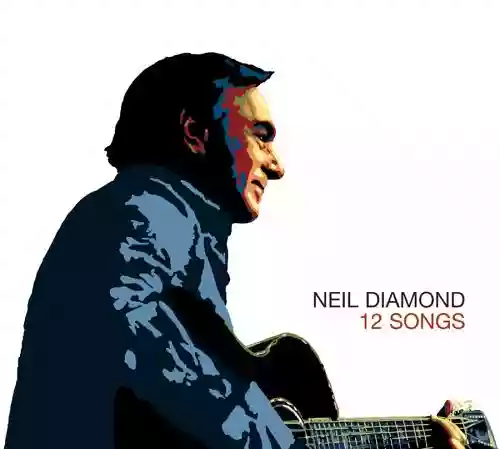
Sometimes you don't even need to know the question to arrive at the answer; just an instinctive feeling, one that can give us a special certainty. Thus, a fleeting listen was enough for me to understand, without even asking myself, that this album will not just be passing through my days, but instead will accompany me for years. It will not meet the fate of so many little sparkling meteors, now turned into extinguished receptacles of dust after fleeting enthusiasms. From the first notes of the moving introductory ballad of the album — "Mary" — I developed this feeling, perhaps due to the eternal charm of the acoustic guitar, or the Hammond organ in the distant background, but more probably because of Neil Diamond's emotional voice generously bestowed with a unique warmth, strong and clear like aged whiskey.
So, defying the devotees of "everything is already written", there are still surprising albums today, unforgettable classics for tomorrow, even though they are tied to a well-established musical tradition of yesterday. "12 Songs" is just like that, special to the point that I dare to suggest it's a small masterpiece, also because it is an album that moves between subtle contrasts: intimate, melancholic, deep, decisive, and at the same time vital, clean, reconciling. An album that knows how to speak with simplicity and depth, shining with class and intensity, using very few and measured ingredients. Much of this outcome is owed to the intelligent production of Rick Rubin, who is not new to this kind of endeavor, having previously curated the unforgettable "American Recordings" by Johnny Cash. Indeed, Rubin has wisely lightened the rhythm section, surrounding Diamond's music with few elements (piano, organ, guitars, strings, rarely winds), thus highlighting the most important component of this music, which is the voice of the American songwriter, delivered with great emotional charge felt from the first track to the last. This last one, by the way — "Delirious Love" — deserves a special mention for the presence of Brian Wilson, who nostalgically makes us miss bygone times.
And I am pleased by the fact that today such an album is given to us by a gentleman who, having surpassed sixty years, perhaps someone had forgotten, while others probably thought he had already given all he could. Instead, here he is with his deep, baritone voice, teaching us that the passage of time is not always harmful. Sometimes it slowly disintegrates you, at other times it gifts you experiences and memories that, however, only a few are able to translate into a poetry that cannot be forgotten.
Loading comments slowly
Summary by Bot
This review praises Neil Diamond's '12 Songs' as a timeless and emotionally rich album. Highlighted is the intimate production by Rick Rubin, which brings out Diamond's warm baritone voice and simple yet profound instrumentation. The album is described as a classic that balances melancholy with vitality, defying expectations about aging artists. It is considered a small masterpiece with lasting impact.Tracklist Lyrics
Neil Diamond
American singer‑songwriter born in 1941 in Brooklyn. He moved from Brill Building songwriting to global stardom with a warm baritone and enduring hits like Sweet Caroline, Cracklin’ Rosie, and Song Sung Blue. A late‑career creative resurgence came with Rick Rubin’s stripped‑back productions (12 Songs, Home Before Dark), followed by Melody Road.03 Reviews
