
 •
Rating:
•
Rating:
THE REVIEW
Metal has never had an easy life outside its own boundaries, perhaps due to the excess of folklore from some of its musicians or listeners, but for a long time this genre has been snubbed by much of the criticism and enthusiasts. Of course, people like Type O Negative, Ulver, or Tool have contributed to breaking down barriers for the genre even in snobbish circles like the indie/hipster scene, but there is at least one stronghold still considered inviolable by many, mocked and avoided even by a good portion of metalheads themselves, which is black metal.
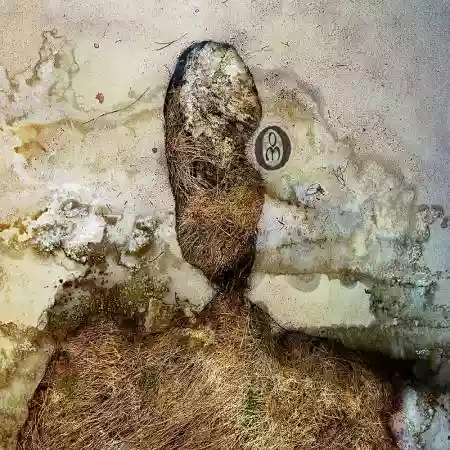
This might be partly due to the widespread misanthropy, prevailing satanism, murders/suicides, burned churches, and zombie panda look; but also to the music itself, usually quite uncompromising, raw, and obsessive, I don't know. The fact remains that this maligned (sub)genre actually has much more to offer and remains today one of the few interesting realities of metal, still trying to forge new paths and open itself (which is paradoxical for what was born as the closed genre par excellence) to external influences. Probably the first that come to mind in this regard are the aforementioned Ulver, or Enslaved; even the French Alcest managed to become a small media phenomenon in the alternative music world in the 2000s by merging shoegazing and bucolic-dreamy atmospheres with the black verb (and consequently giving rise, as is tradition, to a myriad of mostly relatively useless clone bands).Well, in 2006, a year before the French released their debut, in distant Romania, a black group active since the mid-'90s, Negura Bunget, released "Om".
This album, generally recognized as the peak of the band, anticipates in many ways the path taken by the French. Here too we have music that picks up some formal aspects of black (see obsessive riffs or vocals), but inserts them into a much more ethereal context; the overall result is less sunny and easy listening than that of Alcest, but the mood remains placid and spiritual, during listening one feels almost catapulted into the serene, yet desolate snowy (or, optionally, autumnal) lands of a hypothetical Transylvanian forest. The introverted and meditative atmosphere is created through the careful use of keyboards and various wind instruments (horns, flutes, etc.), which combined with the canonical instrumentation create what could be approximately defined as a sort of black-folk-ambient.
Although in Italy the album went rather unnoticed, in Germany and elsewhere this band has become a small cult, even receiving recognition from the specialized press. Well, I hope that through this review even some "debaseriota" can discover and learn to appreciate this excellent album.
Loading comments slowly
Summary by Bot
Negura Bunget's 2006 album Om stands as a unique black metal work that integrates spiritual and folk elements into an atmospheric listening experience. The album offers a meditative, introverted mood evoking the haunting landscapes of Transylvania. While black metal often faces prejudice for its themes and style, Om helps push the genre's boundaries and is recognized as a cult classic outside Italy. This review aims to encourage wider appreciation of this overlooked gem.Tracklist
Negură Bunget
Negură Bunget is a Romanian atmospheric black metal band formed in Timișoara in 1995 by Hupogrammos and Negru. Acclaimed for blending black metal with Romanian folk instruments and spiritual, nature-focused themes, they released key albums such as ’N Crugu Bradului (2002) and OM (2006). After Hupogrammos and Sol Faur departed in 2009, Negru continued the band, issuing Vîrstele pămîntului (2010) and later works. Following Negru’s death in 2017, the band’s activity effectively ceased; the album Zău appeared posthumously in 2021.07 Reviews

