
 •
Rating:
•
Rating:
THE REVIEW
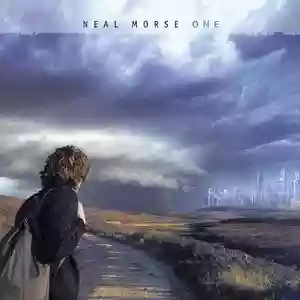
After the predecessor 'Testimony', here is Neal Morse’s 5th album: "One" (2004), less classical than its predecessor (fewer strings), less melodic than "Question mark" and less rhythmic than "Sola scriptura"; in favor of a better-developed concept and sounds reminiscent of old glories like Genesis, Yes, Asia, Gentle Giant etc... from which it differs due to its metal influence; also recalling the early Tears for Fears. The concept of the album is inspired by the Christian epic of the expulsion from paradise.
The lineup consists of Neal Morse (Vocals, keyboards, guitar); Mike Portnoy (drums and also arranger) and Randy George (Bass). Plus a long list of guests, which I therefore leave out.
The concept comes to life with "Author of confusion" from the instrumental intro marked by Portnoy, together with the guitars and many effects as usual, in perfect tradition; while an inspired Neal delves into the poetic and musical verses with his clear and passionate voice, perfect in describing the idyllic scenario following the creation of paradise; with mellotron, strings, and guitar harmonized excellently with the same keyboard. The narrative in dialogue or thought form passes from Adam and Eve to God, with very well-written texts; which in some parts make you think of John Milton himself, with due attention. Wonderful the way the melody changes: a succession of instruments never chaotic or jangling. Neal remains romantic in tone, even in the more emotional final part where the voice of God emphasizes the behavior of the progenitors of humanity.
"The man's gone" is part of the more emphatic repertoire in vocal and musical levels, serving a faster metric; much shorter compared to the twenty minutes of the antecedent. It follows "Author of confusion" chapter of temptation, which features metal riffs, not emphasized by the drums to leave space for Neal's inventiveness in the role of guitarist; the sung parts divided between jazz and slow, the latter with a very emotional intonation - still present the poignant acoustic slowdowns, with a soft and fragile, intense, and sighing vocal emission.
"The separated man" presents a more standard base, this time bordering on metal and in the second chapter Neal deals with man's presumption, through the metaphor of greatness pursued with technological innovation, ever-taller skyscrapers, etc.; but whose verses are often interrupted once again by Neal’s caressing vocal solos. A reprise chapter of "The man's gone" follows with folk arpeggios and drums. This one also lasts 20 minutes. "Cradle to the grave" is an acoustic mid-tempo in which we find Phil Keaggy from Kansas accompanying the excellent Neal with a heavenly voice in this call and response between man and God followed by classical inserts and a grand finale with overlapping voices, of which the least that can be said is that they are perfectly in tune.
"Help me - the spirit and the flesh", deals with man's failure and repentance, which therefore turns back to the forgotten God. In the background, a bit of jazz returns. The second part connects with "Father of forgiveness" dedicated to reconciling with God through increasingly mellifluous vocal lines. The concluding "Reunion" enlivens spirits with the use of sax and trumpet and is the most cheerful as it represents the newfound union.
In the 80 minutes of the album, the praises to God, the passionate way they are sung, will resonate even with those who are not believers; as even without a corresponding belief, the painted image is a masterpiece.
The second disc contains some tracks that didn't find space on the first, combined with some covers: U2 -Where the streets have no name; George Harrison - What is life (with Keaggy); Badfinger - Day after day; The Who - I'm free - Sparks.
Loading comments slowly
Summary by Bot
Neal Morse's 'One' is a 2004 progressive rock album inspired by the Christian story of the expulsion from paradise. It blends influences from classic prog bands like Genesis and Yes with metal riffs and emotional vocals. The album's concept is well developed with poetic lyrics and a variety of musical styles, from acoustic ballads to heavier metal sections. Supported by Mike Portnoy and Randy George, and featuring guests like Phil Keaggy, the album offers an 80-minute immersive experience with a second disc of bonus tracks and covers.Tracklist Lyrics Videos
Neal Morse
Neal Morse is an American multi-instrumentalist, singer, and songwriter. He co-founded Spock’s Beard, later pursued a solo career centered on Christian-themed prog, and frequently collaborates with Mike Portnoy and Randy George. He is also a member of the supergroups Transatlantic and Flying Colors.03 Reviews
