
 •
Rating:
•
Rating:
THE REVIEW
When one thinks of 1980s Chicago, the first name that comes to mind is Steve Albini, leader of Big Black and Rapeman, two essential formations of the American underground rock scene of that pivotal decade.
But Illinois' capital already boasted several other musical realities, paving the way to becoming, in the 90s, one of the world capitals of rock, with one of the most diverse scenes ever: industrial (Ministry, NIN), slo-core (Codeine), indie-rock (Smashing Pumpkins), noise-rock (Jesus Lizard), math-rock (Shellac), post-rock (Tortoise) are the key genres of the end of the millennium, and Chicago could boast at least one prominent name for each of them. Another strand, perhaps minor, perhaps just forgotten, is the one opened by the 'Naked Raygun' of singer Jeff Pezzati and guitarist John Haggerty.
This is a simple, catchy, and driving punk-rock; seemingly repetitive, but actually very eclectic. Between west-coast melodic hardcore à la Bad Religion and the emo-core of Husker Du’s offspring, Naked Raygun represented, in a sense, a "third way" towards music as thunderous as it is easily assimilable.
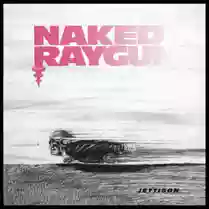
“Jettison” was their third, irresistible LP, dated 1988. Raygun’s music, despite having a distinctly American mood, treasures the lessons of the English punk and new wave masters of ten years earlier. The tempestuous “When The Walls Come Down” and the devastating cover of Stiff Little Fingers’ “Suspect Device” (impossible to listen to while seated!) reveal a clear connection to the so-called “punk77”.
On the other hand, it's not difficult to notice, in the robotic singing of “Walks In Cold”, in the neurotic constructs of “Live Wire” (a magma of dissonances spread over a hobbling drum; an anguished verse that vents in a sumptuous refrain), in the tormented epic of “Blight”, the influence of the British new wave. But the spectrum of styles reviewed (and skillfully assimilated and reworked originally) by Raygun is even broader: there’s also room for the shrill guitar, frantic singing, and frenzied rhythm of the title-track (the most Albini-like number of the parade), the pompous oscillations à la NY Dolls in “Ghetto Mechanic” and even the powerful metal progression of “Coldbringer”.
The universe of Naked Raygun is torn between the two extremes of a gritty power-pop (“The Mule”, with that melody line of guitar linking back to the seminal “Strange Notes” of the irreplaceable Germs) and cryptic noise-rock (“Hammerhead”, with that dissonant attack, hysterical drums, and muted singing, worthy of the best Sonic Youth).
If the concluding “Vanilla Blue” constitutes a sort of compendium of the Raygun proposal, the two masterpieces of the album remain the opener “Soldiers Requiem” and “Free Nation”, two anthems with a loaded and enthusiastic tone, two high songs of hope, two aspirations to freedom, two moving, sincere, and graceful examples of “rock songs”, in its purest, most honest, and genuine form: the 4 chords, the tense verse, the heartfelt refrain, supported by the necessary backing choirs and the drum rolls…
The adventure of Naked Raygun would end (after a couple more records) in 1991; their legacy would be picked up by 'Pegboy', also led by Haggerty, committed, in an era of deconstructions, manipulations, and contaminations, to continuing, without any anachronism and with undeniable freshness, in that aesthetic of essentiality, spontaneity, and immediacy, which allowed Naked Raygun to become part of the "classics".
Loading comments slowly
Summary by Bot
Naked Raygun's 1988 album Jettison stands as a key entry in 1980s Chicago punk, combining melodic hardcore and new wave influences. The album balances catchy, driving rhythms with eclectic styles ranging from punk77 to noise-rock. Songs like "Soldiers Requiem" and "Free Nation" showcase the band's sincere, anthemic energy. Though the band ended in 1991, their legacy influenced subsequent acts like Pegboy.Tracklist Lyrics Videos
Naked Raygun
Naked Raygun are an American punk band from Chicago formed in 1980, fronted by Jeff Pezzati. Known for melodic, chant-along anthems, they were key figures in the city’s punk scene, disbanded in 1992, reunited in 2006, and returned with Over the Overlords in 2021.03 Reviews
