
 •
Rating:
•
Rating:
THE REVIEW
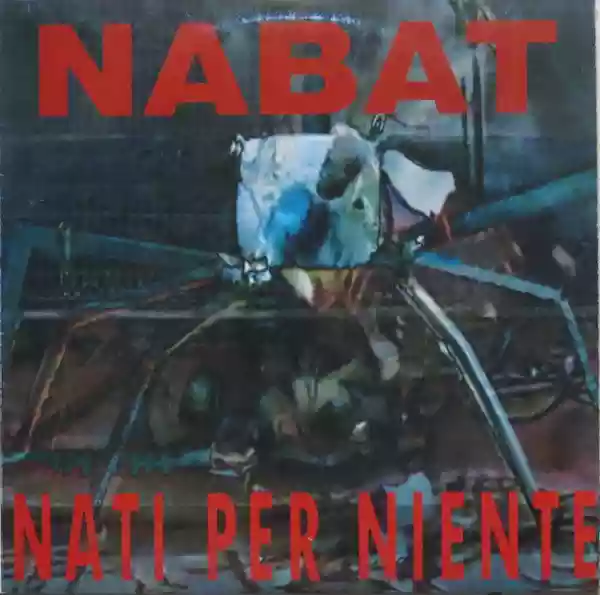
Since tonight I’ll be seeing them live in Livorno, I thought: what better than to write a review of what is perhaps Nabat’s best album?
“Nati per niente” was released during an undeniably strange and, in a sense, difficult period in the history of Nabat; the band had formed many years earlier and now found themselves surrounded by a new crop of extremely talented acts who were forging the Oi!core scene with productions, arrangements, and often songwriting that, all things considered, put them a notch above Nabat’s records from the ‘80s. But what old Steno pulls off here is a real masterstroke: he sharpens the lyrics, broadens the sound’s horizons, develops the best ideas, and works hard on the rhythm section. The dry and aseptic groove of “Asociale Oi!”, although a great track, is replaced by the more athletic and modern rhythm of “Ti sei fermato ad ascoltare mai?”, and a similar evolution happens in the composition of the melodies (there’s even a certain respect for the concept of tonality, which was sorely lacking in “Scenderemo nelle strade”…).
The sound, moreover, keeps its feet firmly planted in Oi! music but winks and often wholeheartedly embraces hard rock and heavy blues, thus creating a perfect mix for lovers of the rawest rock.
“Vasco Q8” kicks things off with energy and swagger. “Deludi per me” also does not disappoint, with its catchy melodies. Then comes the much-loved and iconic “Nichilistaggio”, a true anthem that moves into dark and less accessible territory, but is no less beautiful for it. There’s a slight drop with the not-so-memorable “No armi”, but things get right back on track with the fantastic “Cronaca di un uomo ferito”, which delivers unmistakable street punk rhetoric with powerful images like the mother who cries and the father who “beveva vino misto a guai”. The sound is stirring and the riffing is spot-on: tracks like this paved the way for bands like Automatica Aggregazione. “Corri randagio” is lighthearted and keeps the adrenaline flowing, clearing the path for the tight, 70s-inflected “Tiramolla Wizard”. “Cosa rimane”, with its harmonica and bluesy tone, is a ballad gem that vaguely reminds me in its melody of David Bowie’s “Heroes”. The long instrumental “Iqbal Masih” attests to the solidarity of Nabat, workers who know what it means to break your back, with a child like the small but mighty Iqbal: I invite everyone to discover his story, never forgetting that unfortunately, it’s just the tip of the iceberg. The short title track hits the mark and makes way for the nice but not unforgettable duo “Nabat combo”/“Via di qui”. The beautiful “Ti sei fermato ad ascoltare mai?” wraps things up.
Steno growls with his hoarse and passionate voice, the guitars have a blues-rock flavor that gets me every single time, even though the more bluesy fringes of hard rock are usually less up my alley, and the drums urge you to let loose. As a result, this album—with its tones very far removed from what’s usually labeled as hardcore but with its raw, visceral vibe—is an excellent entry point for anyone wanting to understand what Italian punks were made of and to open the way to heavier bands.
“E non c’è niente che non hai rubato alla vita tua... e una ragione forse c’è: ed è l’origine dei guai”. Rating: 85/100.
Loading comments slowly
Summary by Bot
The review assesses 'Nati per niente' by Italian punk band Nabat, praising its raw energy and streetwise authenticity. The album delivers a powerful statement through uncompromising lyrics and classic punk instrumentation. The reviewer notes the band's ability to remain relevant in the modern punk scene. The overall response is favorable, highlighting both the enduring style and fresh intensity of the release.Tracklist
01 Vasco Q8 (02:56)
02 Decidi Per Me (02:21)
03 Nichilistaggio (03:57)
04 No Armi (02:34)
05 Cronaca Di Un Uomo Ferito (02:49)
06 Corri Randagio (02:50)
07 Tiramolla Wizard (03:33)
08 Cosa Rimane (04:22)
09 Iqbal Masih (05:01)
10 Nati Per Niente (02:22)
11 Nabat Combo (03:41)
12 Via Da Qui (02:44)
13 Ti Sei Fermato Ad Ascoltare Mai (03:46)
Nabat
Nabat are a pioneering Italian Oi!/street punk band from Bologna, formed in 1979 and fronted by Steno. Early releases like Scenderemo nelle strade (1982) and Laida Bologna (1984) became touchstones for Italian Oi!, and the group later returned with new material including Nati per niente.06 Reviews
