
 •
Rating:
•
Rating:
THE REVIEW
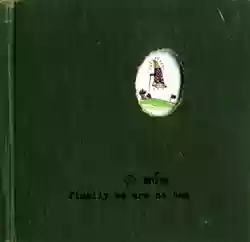
Poetic Mum! Delicate, ethereal, intangible, and above all fairytale-like.
The fairy tale is modern, however, and with their minimalism, Mum are never conventional. The traditional orchestration, complete with accordion, is accompanied by experimental sounds in a context that prioritizes musicality. From Iceland's Sigur Rós, they echo the breaking of musical norms, the dragging of notes, and the creation of a fluid and suspended atmosphere with intriguing phrasing. And from the Icelandic Bjork, they recall a unique way of singing.
When you listen to Mum for the first time you wonder: “But who's singing? A woman, a child, an elf, the snow fairy, a shy alien wanting to befriend you?” In turn, it's the twin sisters Gyda and Kristin Anna Valtisdóttir (Gyda left the group in 2002 to study cello at the Conservatory) with their delicate and deliberately subdued timbre and dreamlike voice setting, as if they want to whisper a beautiful secret in your ear. They sing in English but you rarely understand the words, not so much because of their accent, but because the voice just emerges from the ensemble. Serene and captivating singing. The beautiful "Green Grass of Tunnel" starts with bells and sweet sounds in the distance: are Santa's reindeer about to arrive? The electronic keyboard joins, accompanied by a type of percussion that resembles the sound of horse hooves, then turns into discreet traditional drum accompaniment. And here the song gains body with Gyda's mysterious voice over the simple and alluring melody. Towards the end, with aspirated sounds, you find yourself feeling great tenderness for her, and a little smile spreads across your face.
Then comes "We have a Map of the Piano": again, a bit livelier, are they horse hooves, or perhaps castanets, and the keyboard melody introduces Gyda's very strange voice. The accordion enters on the refrain and everything brings you to a cushioned dimension light years away from the room you're in. "Finally We Are No One" instrumental, is slow and drawn out, and like the following "The Land between Solar Systems" decidedly hypnotic. This last track, almost 12 minutes long, consists of very few musical phrases repeated, enriched by the variation of instrumental accompaniment and the voice that gives this piece in particular the flavor of a lullaby, a story of distant places and times set to music.
Not all the tracks on the album are at the same level and for this reason, my rating is not the highest; however, nothing undermines the pleasantness and sense of relaxation induced by the almost-drone of Mum's music. Reading some reviews in English, the adjectives I found are "magical, beautiful, haunting, dreamy, evocative, playful, calming, unique"; their music displays "an impressive melodic sense" accompanying you on a "dreamy and evocative journey".
In Mum's first album, titled "Yesterday Was Dramatic, Today is ok," from 2000, which made them known, experimentation prevails over the search for melody, while in this and the equally beautiful "Summer Make Good" from 2004, written during a stay in the house of a lighthouse keeper abandoned on the remote northwestern coast of Iceland and recorded over seven weeks in another abandoned lighthouse keeper's house, the use of experimental sounds serves music understood in a traditional yet very particular sense.Loading comments slowly
Summary by Bot
Múm's album 'Finally We Are No One' offers a poetic and ethereal listening experience rich in minimalism and traditional instrumentation mixed with experimental sounds. The delicate, dreamlike vocals invite listeners into a magical, fairytale-like atmosphere. While not all tracks are equally strong, the album maintains a relaxing and evocative mood throughout. Influences from Sigur Rós and Björk shape the unique Icelandic soundscape. Standout tracks like 'Green Grass of Tunnel' and 'The Land between Solar Systems' highlight the album's hypnotic and tender qualities.Tracklist Lyrics Videos
múm
múm are an Icelandic group associated in reviews with minimalist electronica, folktronica and indie-pop, known for delicate, whispery vocals and a mix of laptops, experimental sounds and acoustic instruments (often including accordion). Reviews mention the twin sisters Gyða and Kristín Anna Valtýsdóttir among the group’s voices, and describe the music as dreamy, fairytale-like and evocative of Icelandic landscapes.12 Reviews
Other reviews
By joser
They will surprise you with balance and with togetherness. With the perfect synthesis of dream and magic.
Personally, I think they are 'ahead' of the common concept of electronics.
By samterra
A beautiful postcard from the land of ice.
It almost seems to ask for permission, and I have unconsciously already given it free access to my emotional balances.
