
 •
Rating:
•
Rating:
THE REVIEW
Compared to the acoustic style typical of the Mississippi Delta, Blues underwent a profound transformation from the 1930s and 40s, when thousands of people moved from the southern cotton fields to the industrialized cities of the north. The smoky venues of Chicago soon became the new places for musical improvisation and, in the 1950s, the first electric Blues began to establish itself, using slide guitar, piano, amplified harmonica, bass, and drums. Definitely an innovative way to present live music.
Arriving in England in 1958 for his international tour, Muddy Waters shook the old continent with this revolutionary sound that was profoundly different from the folk blues people were used to. A sound that would succeed among whites and lay the groundwork for the rock of those British artists who would soon successfully take international stages.
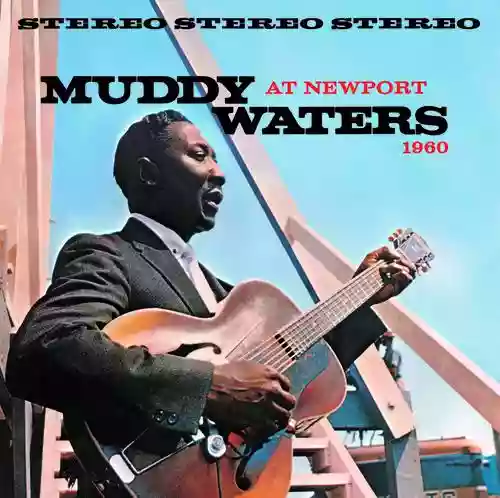
Two years later, in his first live recording at the Newport Jazz Festival (USA) of 1960, only the pianist Otis Spann remained from Muddy Waters' debut band, as the other members were pursuing solo careers, bolstered by their established success. Among the session men accompanying him in this performance were harmonica player James Cotton (who had previously collaborated with Howlin' Wolf) replacing Little Walter and Junior Wells, guitarist Pat Hare who replaced Jimmy Rogers, bassist Andrew Stevenson instead of the great Willie Dixon, the musician who helped the band at the beginning of their career by composing some historic pieces, including "(I'm Your) Hoochie Coochie Man". And it is precisely this piece at the beginning of the record that sets the pace for everything that follows: namely a bold, hypnotic, and uninhibited declaration of black pride by showman Muddy Waters, reaching its peak in the stunning "I Feel So Good" and confirmed with "I've Got My Mojo Working", present in two splendid versions with different rhythmic cadences.
The audience's involvement is definitely perceptible. Consciously (or not) aware that they are witnessing a full-fledged musical revolution, which will also interest those who have not inherited Blues directly from the Mississippi Delta soloists.
"Goodbye Newport".
Loading comments slowly
Summary by Bot
The review highlights Muddy Waters' influential 1960 live performance at the Newport Jazz Festival, marking a pivotal moment in blues history. It discusses the transition from acoustic Delta blues to electric Chicago blues, the band's lineup changes, and the impact of the live album on audiences and future rock musicians. Key tracks show Muddy Waters' bold musical style and stage presence. The review celebrates the album's role in shaping modern blues and rock music.Tracklist Lyrics Videos
Muddy Waters
Muddy Waters (born McKinley Morganfield) was an American blues singer and guitarist widely credited as a key architect of electric Chicago blues. Born in Mississippi in April 1913, he was recorded early by Alan Lomax and later became a central Chess Records artist in Chicago, influencing generations of blues and rock musicians. He died in 1983.12 Reviews
