
 •
Rating:
•
Rating:
THE REVIEW
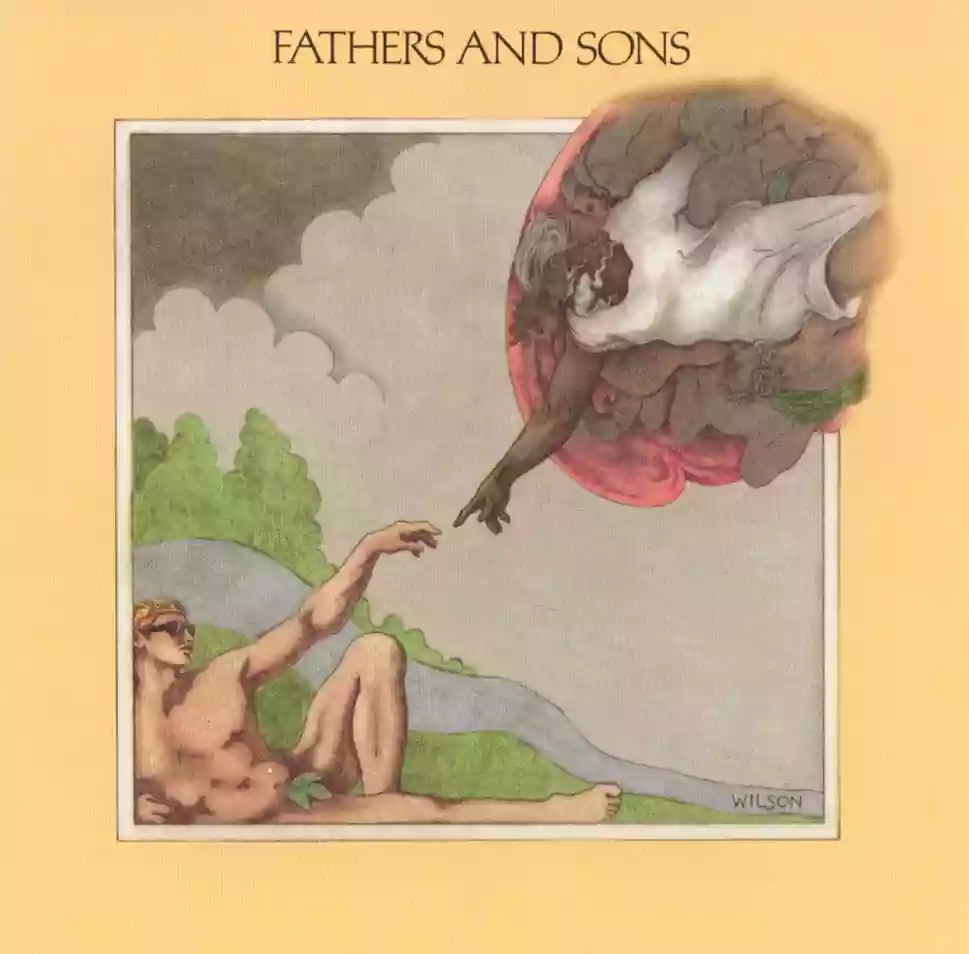
"Fathers And Sons": the aim is to pass the torch of blues from the veterans to the young without the "fathers" abdicating; they merely create new followers. And when the "fathers" are the legend Muddy Waters and pianist Otis Spann and the "sons" are Paul Butterfield, Mike Bloomfield, Donald "Duck" Dunn, and Sam Lay, we might be facing a great album.
The expectations are fully met, the band revolves around the charismatic figure of the leader, who weaves the strings of his guitar with those of the then 23-year-old Bloomfield, an American talent already at the court of Paul Butterfield, Black Flag, and Al Kooper. The idea of relaunching Muddy Waters after the travesties of "Electric Mud" and "After The Rain", with half of the Paul Butterfield Blues Band plus a distinctively soul and funk bassist like Dunn (Booker T & The MG's), is surely successful: "Fathers And Sons" wipes away the recent failures of the bluesman, breathing new life into his music. Above all, the inspiration stands out from Butterfield himself, whose harmonica almost overpowers the other instruments and constantly fills the air, and the proven pianistic art of Otis Spann, in service of the American leader since '52. However, if the rhythm section lays solid foundations for the sound, Bloomfield's contribution is somewhat disappointing, limited by a certain reverential fear in the performances.
"All Aboard", the opening of the LP, with its frenzied harmonica, best introduces the main theme of the work, which alternates monolithic blues ("Forty Days And Forty Nights"), slow blues ("You Can't Lose What You Never Had"), and pieces that are funambulic, rocking, and purely diverting ("Walkin' Thru The Park"). Moreover, "Mean Disposition" and "Standin' Round Cryin'" slow down the tempo, giving the impression of being in front of the recording sessions of the album "Folk Singer", played this time in electric version instead of acoustic.
As if this weren't enough, the studio album is accompanied by a live one, where the bluesman, still supported by his band, performs some historic tracks: "Long Distance Call" becomes a beautiful electric piece without losing the feeling that made it one of the best episodes of "Folk Singer", while "Baby Please Don't Go" and "Got My Mojo Working (Part I & II)", with their compelling progression, make the audience and listener dance.
Blues from the first to the last note, and the baton passing is accomplished.
Loading comments slowly
Summary by Bot
Fathers And Sons successfully revitalizes Muddy Waters' blues legacy by uniting legendary veterans with promising younger musicians. The album balances powerful blues rhythms, soulful harmonica, and skillful piano work, despite some restraint in guitar performance. Classic tracks are reimagined both in studio and live versions, offering a rich, authentic blues experience. This album firmly restores Muddy Waters' standing after previous less successful ventures.Tracklist Lyrics Videos
Muddy Waters
Muddy Waters (born McKinley Morganfield) was an American blues singer and guitarist widely credited as a key architect of electric Chicago blues. Born in Mississippi in April 1913, he was recorded early by Alan Lomax and later became a central Chess Records artist in Chicago, influencing generations of blues and rock musicians. He died in 1983.12 Reviews
