
 •
Rating:
•
Rating:
THE REVIEW
For better or worse, the Motorhead always get people talking about them. Considered the icons of "true" Heavy Metal (despite what Manowar might say), idolized by fans as a symbol of consistency, always tied to the HM culture, never a step beyond their world. A spirit of self-preservation that can be seen by some as a sign of perseverance, and by others as a mere cultural limitation of the band, perhaps too intimidated to leave the safe path embarked on with "On Parole" in 1975.
And the story of Motorhead begins really well. From their foundation, they churn out the greatest albums of their career ("Motorhead", "Overkill", "Bomber", "Ace of Spades" and the live "No Slip 'Till Hammersmith"), then in 1982 critics receive the good "Iron Fist" with coolness.
For Lemmy & Co., it's a turning point: "Fast" Eddie Clarke wants nothing more to do with Motorhead and leaves Mr. Kilmister, after just two dates of the "Iron Fist" tour (he will later have a very good career with Fastway). The problem remains of replacing the band's first historic guitarist, who had contributed to tracks like "Overkill", "(We Are) The Road Crew", "The Hammer", "Bomber", "Aces Of Spades" and many other successes of the English trio.
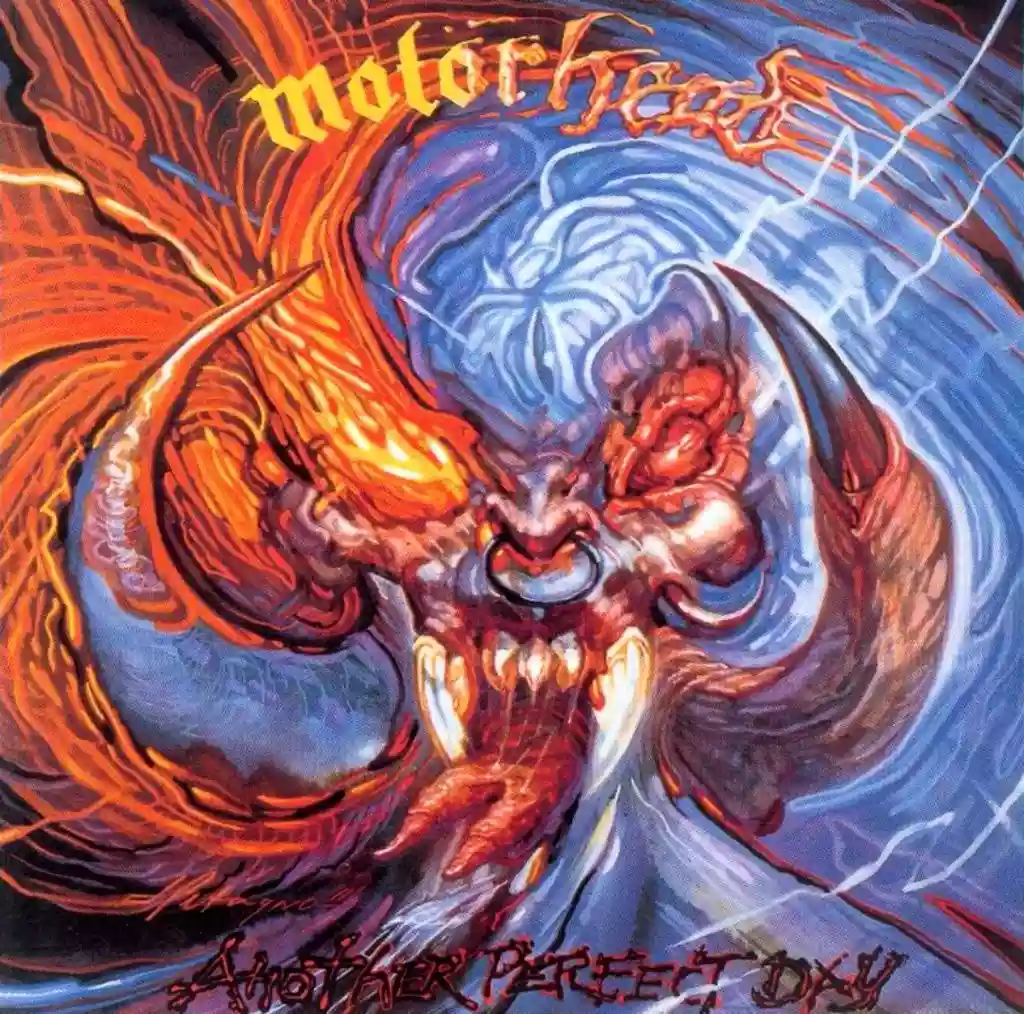
The change from a technical standpoint is happily resolved. The band hires the ex-guitarist of Thin Lizzy Brian "Robbo" Robertson, whose preparation is undisputed. What can be discussed, however, are the character traits of the young man, too little aligned with the ideology of Heavy Metal, still tied to a glam rock that hadn’t yet merged with the "headbangers" genre (though it wouldn't be long until Hair Metal). With Robertson, the Motorhead release the most criticized album in their history: "Another Perfect Day".
They are the usual criticisms that music experts and fans assign to all "hard" bands when they slightly soften their sound. Even Motorhead do not escape criticism. However, the album is technically and stylistically excellent: Robertson's guitar is more present than ever and forcefully claims its space, the tracks are stylistically very refined, unlike anything in previous albums. Moreover, the record is very homogeneous, with tracks linked to each other by the same style adopted by the British trio. Exciting is the alternation of raw, fast tracks like "Back At The Funny Farm" (a song "dedicated" to the asylum) and tracks with more bluesy and early hard rock accents. Listen to "One Track Mind" and "Another Perfect Day" and you can enjoy "Robbo"'s skill, his contribution is truly remarkable for the group. On the other hand, the clean sound of his guitar seems to clash with the raw bass of the leader and vocalist, but it's just an impression: the union of these two styles is magical. Of course, Lemmy's powerful bass riffs are indispensable, as in the catchy "Shine" (the album's single with "I Got Mine"), "Tales of Glory" and the concluding "Die You Bastard".
The album ends as it begins, with frenzied speed and masterful guitar solos, amidst riffs from a bass too raw not to be Metal and guitar attacks too successful not to be Metal.
In my musical ignorance, being unable to measure up to the "expert" music critics, I endorse this album.
Loading comments slowly
Summary by Bot
This review highlights Motörhead's album Another Perfect Day as a unique and technically excellent work that stands out in their discography. It discusses the change in guitar style brought by Brian Robertson and acknowledges the album's divergence from the band's usual raw sound. Despite mixed criticism, the album's consistency and remarkable guitar work are praised. The blend of bluesy rock elements with classic Heavy Metal riffs creates a magical union with Lemmy's iconic bass.Tracklist Lyrics Videos
Motörhead
Motörhead were an English rock band formed in 1975, fronted by Ian "Lemmy" Kilmister until his death in 2015. They blended rock'n'roll, punk and heavy metal and are noted for their live intensity and influential early albums.37 Reviews
