
 •
Rating:
•
Rating:
THE REVIEW
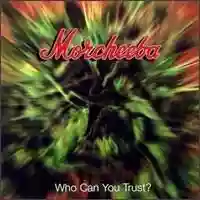
There is an adjective that more than any other can qualify this album, the debut of the now-famous Morcheeba: sensual.
Sensual like the voice of Skye Edwards, who prefers a whispery and light tone to the powerful warbles of most black voices. Sensual like the calm, fluid, and never harsh arrangements by the multi-instrumentalist Godfrey brothers, Ross (guitar, bass, keyboards) and Paul (drummer and DJ).
After listening to the opening track, "Moog Island," which welcomes us to the world of Morcheeba with a pleasant calypso spiced with Pink Floyd-like slide guitars, the English trio offers us elegant and refined trip-hop, yet very intriguing due to Skye's intimate and warm voice and the various elements that take part in the individual songs: roots and oriental elements, as in the hit "Trigger Hippie", the most famous track of the album, funky (in the brief and instrumental "Post Humous"), electronic (the keyboards of "Tape Loop"), vintage (the Hammond organ and the arpeggios of the seductive "Never An Easy Way"), classical (the strings in the melancholic "Howling"), psychedelic (the affected guitar and loops in the long instrumental title-track) and hip-hop (the scratching in "Almost Done"). It is very difficult to discuss these tracks individually, since, with the exception of the aforementioned elements that distinguish them, they are very similar to each other. Here, perhaps the flaw of this record is precisely the repetitiveness. The songs that stand out, besides the opening track, are not many and are not even remarkable: the brief acoustic blues of "Enjoy The Wait" is actually a filler, the symphonic "Col" is not bad but turns out a bit bland when it intends to be moving; closing the album is another brief instrumental piece, "End Theme", which cheerfully reprises the theme of "Moog Island".
As repetitive as it is, it is still a very pleasant, relaxing disc, also experimental in its own way. The album was released in 1996: it was a different time for Morcheeba, who were still part of the underground circuits. They were certainly not the polished pop stars of "Fragments Of Freedom," their global success, with which they shifted toward a much more commercial and less interesting pop-dance genre, nor the current group, broken and inconsistent (Skye left and started a solo career, the new singer does not compare at all). It deserves a little less, I would say 3 and a half stars, but in the inability to give half points, I willingly round up.
After all, as already said, it is always a pleasant record and Skye's voice is always a pleasure to hear!
Loading comments slowly
Summary by Bot
Morcheeba's debut album 'Who Can You Trust?' is characterized by sensual, relaxing trip-hop with Skye Edwards' intimate vocals. The album blends diverse musical elements like funk, electronic, psychedelic, and hip-hop. While praised for its pleasant, chill vibe, some repetitiveness affects its overall impact. Still, it remains an experimental and enjoyable early work from the group before they shifted toward mainstream pop.Tracklist Lyrics Videos
Morcheeba
Morcheeba are a British trip‑hop/downtempo group formed in 1995 by brothers Paul and Ross Godfrey with vocalist Skye Edwards. Early albums Who Can You Trust? and Big Calm established their lush, cinematic sound and wider popularity, followed by pop‑leaning Fragments of Freedom and Charango. After mid‑2000s lineup changes, Edwards rejoined; later releases include Blood Like Lemonade (2010), Head Up High (2013), Blaze Away (2018), and Blackest Blue (2021).07 Reviews
