
 •
Rating:
•
Rating:
THE REVIEW
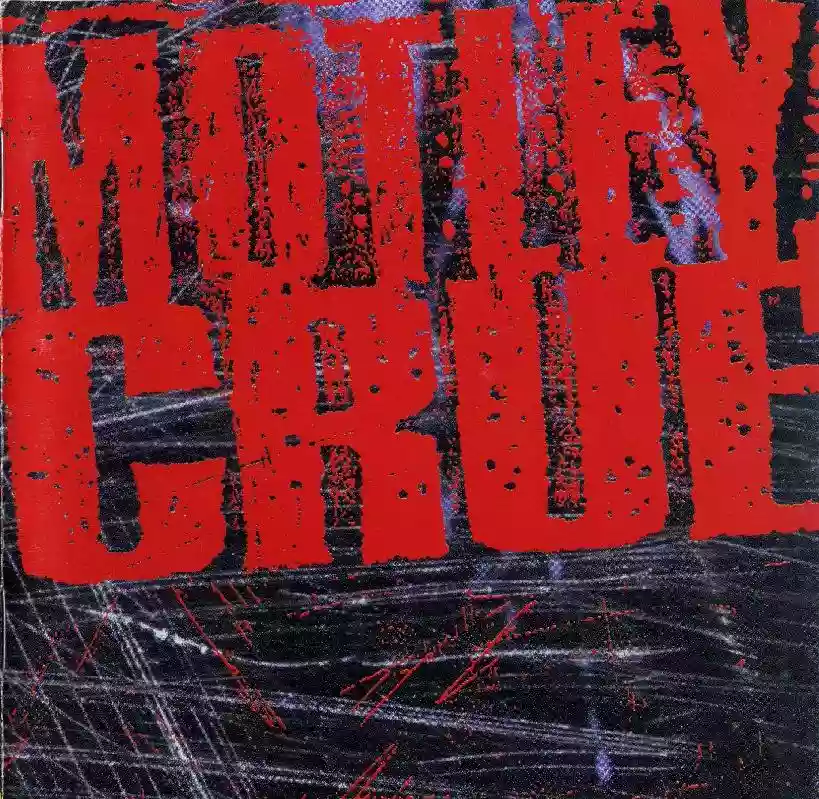
The self-titled album by Crue was released in 1994, five years after the global success of Dr. Feelgood. Incessant touring accompanied the band during those years. Sold out shows everywhere, millions and millions of copies sold worldwide, yet this wasn't enough to keep the band members' relationships intact. Especially Vince Neil had become a burden for the band, and so the group decided it was time for a change. Neil was dismissed, and in his place came a certain John Corabi, singer of the Scream, who in terms of technique was (and still is) superior to Neil. However, this was not the only change that "shocked" (musically speaking) long-time fans of the band. Indeed, the album presented a different sound compared to the band's classic style. The street-smart Rock n Roll that accompanied masterpieces like Dr. Feelgood, Too Fast For Love, and Girls Girls Girls was gone, replaced by a more inspired Hard Rock. Everything sounds perfect on this record. Lee's drums are more powerful than ever, exceptional bass, guitars never so heavy and inspired, thanks especially to Corabi's second guitar, which gave Mick Mars the space to "unleash" as he pleased, and Corabi's impeccable vocal performance. It can be said comfortably that this "Motley Crue" is the band's best album. Technically, it is superior to any other album by the group. Even the lyrics, thanks especially to the contribution of the new singer, become more serious and mature, leaving behind the various "sex, drugs, and Rock N roll" that accompanied them at the beginning of their career. A clear example is found in the track "Uncle Jack," where Corabi tackles the delicate theme of child abuse.
"Motley Crue" is a great album, filled with great songs, like the opening "Power to the Music," or the devastating "Hooligan's Holiday," powerful and inspired like never before, and from these first tracks alone, the skill of the new singer is evident. "Misunderstood" is the masterpiece of the album, but also one of the most beautiful songs the group has ever written. A sweet beginning, with Mars' acoustic guitar accompanying Corabi's voice, all hinting at a ballad, but after two minutes the sound changes. Mars' powerful and beautiful riff, and an exceptional performance by the whole band. The piece closes as it begins, I repeat, "MASTERPIECE." But the album maintains extremely high levels throughout, with tracks like "Poison Apple," "Hammered," "Til Death Do Us Part" (the latter fabulous), "Welcome to the Numb," and "Smoke the Sky" (the hardest song the group has ever written). The acoustic ballad "Driftaway," with an applaud-worthy Corabi, also deserves a mention.
An unjustly ignored album, unjustly forgotten, which deserved more. One of the best albums released in that period, and one that today is probably reevaluated even by those fans who did not look upon it kindly at the time. An album that absolutely must be listened to!
Loading comments slowly
Summary by Bot
Mötley Crüe's 1994 self-titled album marked a bold shift with John Corabi replacing Vince Neil. The album features a heavier, more mature hard rock sound and showcases impressive technical musicianship. Tracks like 'Misunderstood' and 'Power to the Music' stand out as highlights. Initially overlooked, this album deserves more recognition as one of the band's best.Tracklist Lyrics Videos
Mötley Crüe
Formed in Los Angeles in 1981, Mötley Crüe is an American glam/hair-metal band best known for explosive live shows, 1980s-era classic albums and a public image tied to excess. Core members include Vince Neil (vocals), Nikki Sixx (bass), Tommy Lee (drums) and Mick Mars (guitar).27 Reviews
