
 •
Rating:
•
Rating:
THE REVIEW
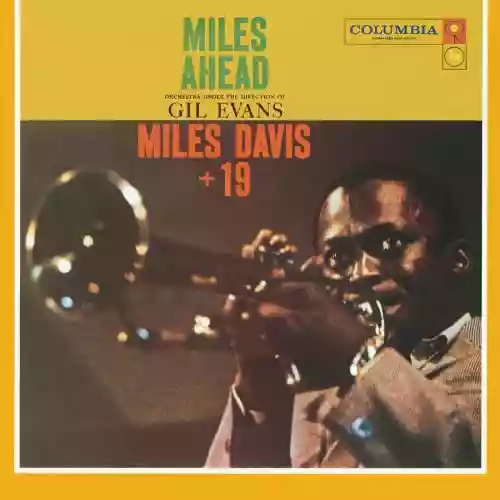
Gil Evans was among Miles Davis's best friends. The two understood each other perfectly, both personally and musically. They were like two different developments of the same person, the same idea, and it's surprising how few records they made together. Of course, it's not that a friendship can be evaluated based on the number of professional collaborations; it's clear that both had their own projects to carry on, alone. But the fact remains that they produced few albums together, and it's a pity because as a duo, they mostly created masterpieces. And "Miles Ahead" (1957) is one of them.
George Avakian, the head of Columbia, wanted to introduce Miles to a broader audience who might not have appreciated his other works and believed that an orchestral jazz album, of third stream, was the right solution. Gil Evans was hired at Davis's request, and they began working on individual tracks which were then united with orchestral passages to form a single long suite. The focus was on the brass section, and to further highlight Miles's central role (as the only soloist) within the work, it was decided that the great trumpeter would play the flugelhorn here.
The work that Miles and Gil created is of crystal-clear purity, it's like drinking fresh water after a long walk under the scorching July sun. You can already hear the Spanish influences ("The Maids Of Cadiz", "Blues For Pablo"), a preview of what "Sketches Of Spain" would become. In addition, two other key influences are made explicit in "Miles Ahead": Ahmad Jamal, whose "New Rhumba" is reinterpreted here, and Duke Ellington, who is always involved when talking about orchestral jazz and is honored with Dave Brubeck's "The Duke". There's also the blues ("Lament", "The Meaning Of The Blues"), there's lyrical beauty, Miles's trademark, which is elevated here to the highest levels. Paul Chambers and Art Taylor (the only collaboration with Miles) provide the foundation on which the orchestra is built, thus compensating for the lack of piano. And on this solid structure comes the last stone, the first stone: Miles Davis, of incredible elegance, of stunning fluidity, of unique style.
Ultimately, this is the greatest merit of the Davis and Evans collaborations: the style and lyrical beauty of both emerge predominantly and mutually enhance each other. Evans is made for Davis, Davis for Evans. "Miles Ahead" is made by them for them, and for us.
Loading comments slowly
Summary by Bot
Miles Ahead (1957) showcases the unique and harmonious collaboration between Miles Davis and Gil Evans. Combining orchestral jazz with Latin and blues influences, the album stands out as a lyrical masterpiece. Davis’s flugelhorn playing is central, emphasizing elegance and fluidity, while Evans’s arrangements complement perfectly. This album bridges jazz traditions and broadens Davis’ audience with exceptional style and purity.Tracklist Videos
Miles Davis
American jazz trumpeter, bandleader, and composer whose career (mid-1940s–1991) spanned bebop, cool jazz, modal jazz and electric fusion; widely regarded as one of the most influential figures in 20th-century music.64 Reviews
