
 •
Rating:
•
Rating:
THE REVIEW
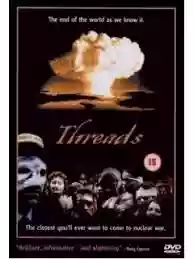
The final caption of The Day After warned that the consequences of a nuclear attack would be much more tragic than those, albeit shocking, presented on screen. The British film Threads (broadcast by Rai only once, in 1985, under the title Ipotesi sopravvivenza), born in the same climate of international tensions, starts from the same premises (the military escalation between the two superpowers that, from a background noise of daily life, becomes a concrete and distressing threat that disrupts every single individual and, consequently, the entire social order) but goes further, with a detached and documentary approach, far from the disaster movie clichés present in the mentioned film by Hume. In addition to showing the impact of the bomb on individual events, screenwriter Hines and director Jackson mercilessly analyze the inadequacy of institutions to deal with the catastrophe and the heightened social tensions (which translate into the quarrelsome impotence of the "emergency staff" of the city of Sheffield and the useless brutality of the police, first on the "subversives" – trade unionists and pacifists – then on an exhausted population), a symbol of a humanity defeated even before the "coup de grâce." But the analysis of the "post-bomb" is even more chilling, especially because it is more forward-looking than The Day After (Threads extends to 13 years after the catastrophe): it is not only the material civilization that is annihilated, with few and scant chances of recovery (due to the "nuclear winter," lack of energy sources, and soil contamination), but it is humanity itself that is nullified, regressed to an almost primitive stage where one is born, lives, and dies in indifference (the absence of heroic characters and acts of self-sacrifice, very present in The Day After, which closes with a gesture of deep humanity, is significant). And the look at the "children of the bomb," a generation genetically and mentally impaired, devoid of reference points and feelings, is possibly the most chilling aspect of Threads, making it the definitive film on nuclear holocaust because it is difficult to imagine a greater horror than a total destruction without hope of reconstruction.
Loading comments slowly
Summary by Bot
Threads presents a stark and realistic depiction of nuclear war’s devastating effects, going beyond disaster clichés. It critically examines institutional failure and societal breakdown, extending its narrative 13 years post-catastrophe. The film’s haunting portrayal of humanity’s regression and post-bomb generation makes it a definitive nuclear holocaust film. Its detached and documentary approach provides a chilling, forward-looking vision unmatched by similar works.
Mick Jackson
Associated on DeBaser with the BBC film Threads (broadcast in Italy as Ipotesi di sopravvivenza). The listing on DeBaser also includes a number of songs and remixes linked to the name.02 Reviews
