
 •
Rating:
•
Rating:
THE REVIEW
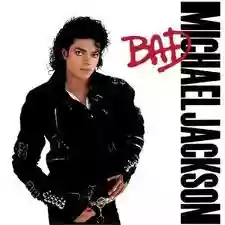
Review of the album "Bad" by Michael Jackson
The year 1987 marks the release of the third and final album resulting from the collaboration between Michael Jackson and the legendary producer Quincy Jones. At the beginning of the 80s, the two had released the best-selling album in history to date, Thriller. Michael feared the comparison with the incredible numbers of that album, and although Bad hasn't managed to reach Thrillers heights even today, I'd say that 30 million copies sold still make it a great success.
Speaking of musical quality, the album has nothing to envy from its predecessor. In fact, in this work, we find Jackson even more involved in writing lyrics and music. A sparkling beat and a restless bass line pave the way with the title track “Bad”, a track full of funk and electronics. Michael's voice is gritty and confident in declaring that he is the toughest opponent to beat. There's a lot of R’n’B and electronic pop in the up-tempo “The way you make me feel”, a real dancefloor classic and the singer’s signature style. Roaring engines lead us to the frenetic “Speed demon”, a somewhat underrated piece, but it's worth noting the quality of the bass and guitar in this song, which fades out and ushers us into the softer and more exotic atmosphere of the ballad “Liberian girl”, a song with a somewhat overly sentimental lyric, but the melody is truly evocative, and the singer’s subdued voice is highly engaging. The fifth track, decidedly dance in rhythm, is the result of collaboration with the master Stevie Wonder; the track in question is “Just good friends”, pleasant but certainly not the best in terms of quality. The syncopated sound of Greg Phillinganes’ keyboards brings us to the track “Another part of me”, a very energetic and danceable song in pure 80s style.
The seventh track is one of the evergreen songs in musical history, it’s “Man in the mirror”, a fantastic soul and gospel song with a social message, a classic by Jackson much loved for its beautiful words and sweet melodies. The evocative sounds of keyboards and synthesizers transport us into the dreamy and romantic atmosphere of “I just can’t stop loving you”, a duet with the famous Siedah Garrett, another gem from Bad. Steve Stevens' rock guitar introduces us to the rock masterpiece of the album, indispensable in every Michael's work; it's the passionate “Dirty Diana”, a true rock classic where the singer’s high notes compete with the guitar riffs. An atmosphere of tension marked by a heartbeat introduces us to yet another electro-funky masterpiece of the album; we're talking about “Smooth criminal” where Michael's whispered voice alternates with inimitable screams and scat vocals. The album closes with “Leave me alone”, a real cry of liberation where Jackson pleads with all his detractors and the mass media to give him a moment of respite. Truly remarkable is the use of the choir in the choruses.
Thus ends the album that reconfirms Jackson as the undisputed ruler of 80s pop music. The work is filled with great valuable pieces, and the production work and the sophistication of the sounds in my opinion are truly at the peak. Bad remains a milestone in musical history and Michael Jackson's discography.
Loading comments slowly
Summary by Bot
Released in 1987, Michael Jackson's Bad album solidified his reign in 80s pop with sophisticated production and memorable tracks. Though it did not surpass Thriller's sales, it achieved massive success with over 30 million copies sold. The album showcases Jackson's deeper involvement in songwriting and delivers a mix of funk, RnB, electronic pop, rock, and soulful ballads. Notable songs like 'Smooth Criminal' and 'Man in the Mirror' remain timeless classics. Bad is a milestone in music history and a key part of Jackson's legacy.Tracklist Lyrics Videos
Michael Jackson
American singer, songwriter and dancer from Gary, Indiana. Child star with the Jackson 5 who became a global solo star and is widely known as the "King of Pop."68 Reviews
Other reviews
By senior86
"Bad appeared too self-indulgent and attached to market logic."
"An album that remains enjoyable and overall musically fresh. But more could have been done..."
By tommithebest
Michael Jackson would not have become the greatest pop star of all time if he had only made an album of nine definitely good songs.
A beautiful album, magical, to silence those who thought Michael had retired to enjoy the good life somewhere remote.
By ronnie92
In 1987, exactly 5 years after the grand album "Thriller," Michael Jackson surprises the public with "Bad."
"Bad" is therefore a great album and we must congratulate the good Michael for even minimally standing up to the comparison with "Thriller."
By magico
"Even in 1987, almost five years after the release of 'Thriller' the King was still Michael!"
"A cold album but technically impeccable... With a couple of phenomenal tracks."
