
 •
Rating:
•
Rating:
THE REVIEW
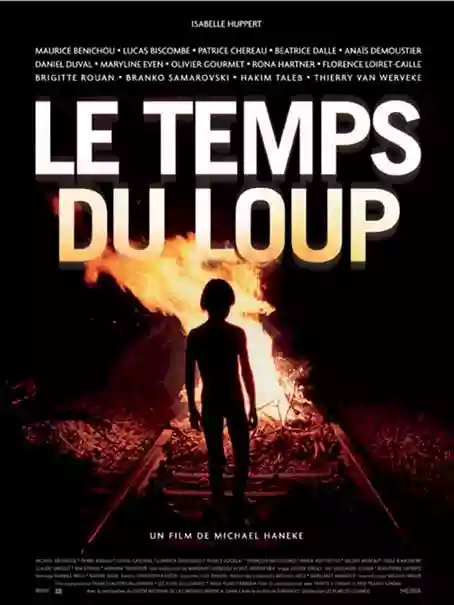
Wandering on the crust of a definitively dead world without knowing the cause. I am a wolf. A wolf for everyone, including myself. A wolf even before knowing it. After taking down the first one, there's no goodness or reason that holds. Let them all burst, one by one or all together, it makes no difference. It will be a wandering in search of explanations, in search of trains that still cross this definitively collapsed world. It's dead, how I don't know. I only heard the shot. A war, an atomic bomb, maybe the craziest of all has regained his sanity and decided to wipe out all the others. I don't know, you never know anything. I will wander day and night, alone or in company, but I will always be alone. I will hide among the wheels of an old train or in the darkness of the night. You won't hear from me anymore. Stripping the corpses of their garments, stripping oneself and others of their garments in the heart of the night in front of the fire... the fire. That's where the shelter is.
For one hundred and thirteen minutes, Michael Haneke presses the viewer under the weight of their own phobias. Imagine waking up tomorrow morning to find yourself in a destroyed world where only the meanest of all manages to survive. What would you do? Continue to live knowing you will become wicked beings, wolves, for yourself and for others, or throw yourself naked into the fire as if to erase all your faults?
"The Time of the Wolf" is a glacial and depraved film. Its depravity plays out completely on not knowing, not showing, isolating. The characters are all isolated from each other. Even while interacting, they are absolutely separate, even while still managing to be empathetic, they feel compassion for their fellows in a rational manner, never only driven by sentiment. In a transformed world where life itself is based on massacre, no killing is shown. Haneke enjoys not letting us know, starting this film without a reason and ending it without any motivation. He enjoys taking the characteristic traits of this world and harshly criticizing them, transforming them into something "not now, not here". He puts the bug in your ear and then reassures you by transporting it to a different world. He interrogates you and then reassures you with a "you have nothing to do with it". Haneke with this film has investigated and leaves us with the idea of just having imagined.
Centuries of Natural Law left to marinate. The only valid law is the earthly one, the one that creates reality. If we rely on the free will of others, the common drive towards good, the natural solidarity of the individual towards the whole, pure reason... well, your skull will soon become an ashtray.
Loading comments slowly
Summary by Bot
Michael Haneke's 'The Time of the Wolf' presents a bleak, post-apocalyptic world where survival strips humans of their empathy, reducing them to wolf-like beings. The film’s strength lies in its chilling ambiguity, leaving viewers haunted by what is unseen and unknown. Characters are isolated, interacting with cold rationality rather than sentiment, as Haneke explores themes of natural law and human depravity. This 113-minute film presses viewers to confront their deepest fears about destruction and human nature.
Michael Haneke
Michael Haneke is an Austrian film director and screenwriter known for austere, provocative cinema that scrutinizes violence, media, and bourgeois life, often using long static takes, minimal music, and unsettling ambiguity.15 Reviews
