
 •
Rating:
•
Rating:
THE REVIEW
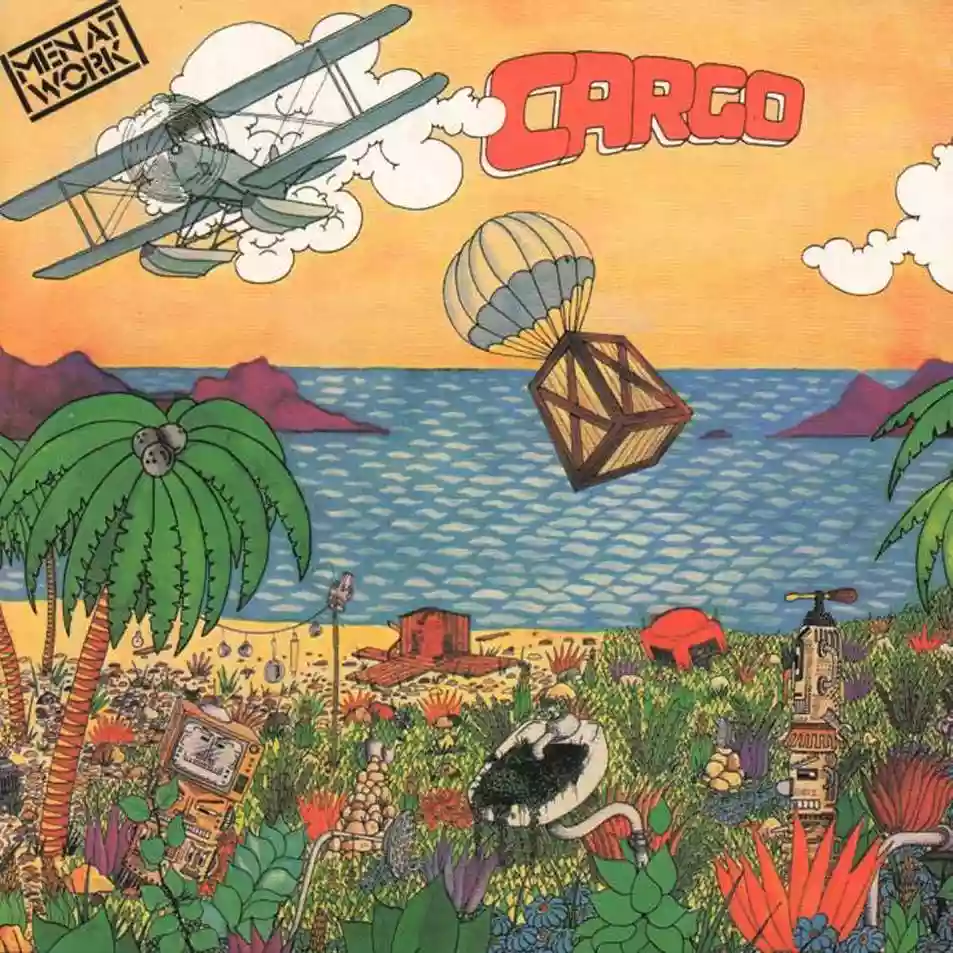
This is the second album from the band out of Melbourne, led by Colin Hay, and it was released in 1983, two years after their previous best seller "Business As Usual," enjoying good international success with the new hit "Overkill." In reality, the album was recorded in the summer of 1982, on the road, so as not to hinder the sales of the preceding record.
The ingredients remain unchanged that have led to the success of this ensemble, with the five Aussies engaged in a sonic renewal that doesn't alter the magical formula of the anthem "Down Under," but that traces new paths of expression, and this is achieved partially. "Overkill" is the most engaging piece on the album, with a rarefied atmosphere, suitable for Colin’s reflections with "...ghosts appear and fade away far off..." The nuances of the piece are multiple, so here's the beginning with dramatic and tense sax, a simple and melancholic guitar solo, almost desperate, like the singing: truly a great piece. The second hit from the album is "It's A Mistake" a sort of anti-nuclear satire with a cheerful and restless Reggae at the same time. The upbeat track is "Upstairs In My House" with a classically structured guitar solo and Colin's poignant voice, which manages to transform every word into a feeling of freedom and celebration, without forgetting a touch of melancholy, but always shyly, without wanting to overwhelm the listener.
In this work, Ron Strykert is given space in both composition and singing, tackling an energetic piece, almost Hard Rock: "I Like To," filled with guitar, squeezed like in a studio jam, fluid and lively, with a breathless refrain that sticks in your head and a small taste of what the band can do (and will do) live: Rock 'N' Roll to entertain and have fun, nothing more. The record closes solemnly with the piece "No Restrictions" with almost Hendrix-like guitar accents at the start, which seem to float from Oceania and the sound advancing slowly, then giving way to the quick drums accompanying Colin: in this piece, he sings touching the heart, using the voice as an instrument, while the chorus is as simple as it is tasty: "Whoa-oh-oh-Whoa-oh-oh-oh" where Greg Ham's flute produces a very exotic solo, like a tropical beach. There is room for a long track similar to "Down By The Sea" from the previous album, titled "No Sign Of Yesterday," which I do not like: I find it long and lacking in bite, too self-indulgent; "Blue For You" is another Reggae story but more cheerful, not disdainful. "Settle Down My Boy" has a nice almost Spanish-style guitar solo, but otherwise has a chorus like a children's show." Moreover, even "High Wire" is rather anonymous, Rock for sure and with the sax well-present, listened to while waiting for something better that arrives with the track "Dr. Hecklyll & Ms. Jive" much more lively and vibrant.
This album, therefore, has the flaw of following the first, not being a surprise, which is the risk of music releases, of any genre, looking similar, but in this case, there are only three mediocre tracks out of a total of ten: a high average for a band that was repeating itself. In the 2003 reissue of the album, there are five bonus tracks: "Shintaro" credited to Strykert but well sung by Colin Hay, "Till The Money Runs Out," a lively piece that's nice to listen to, "Upstairs In My House" live as well as the unreleased "Fallin' Down," penned by Hay, and "Longest Night" composed by Ham. The follow-up to "Business As Usual" sells well, and a long tour in the U.S.A. is undertaken, with some dates alongside the Clash and Stray Cats, during which a concert in San Francisco (though some say Berkeley) in 1984 is filmed. Subsequently, Jerry Speiser and John Rees leave the band to its fate, which ends up being to release a third album without the trusty producer Peter McIan, but with Colin Hay and Greg Ham behind the console: the maligned "Two Hearts" of which I've only heard "Everything I Need." At this point, even Ham and Strykert leave and Colin completes the album's support tour with touring musicians. Then he dissolves the band.
Regret remains for an honest, likable band, that has delivered a non-original but fitting and sincere sound, thanks to the flair of Colin Hay, a likable character who still writes music today and has never let it go to his head. The rating is related to the sales and the group's resonance at the time.
Loading comments slowly
Summary by Bot
Men At Work’s second album, Cargo, released in 1983, delivers a sincere continuation of their successful sound with standout tracks like 'Overkill' and 'It’s A Mistake.' While not drastically different from their debut, the album offers a mix of rock, reggae, and melodic expressions that highlight Colin Hay's distinct voice. Despite a few weaker tracks, the overall quality remains high, supported by engaging compositions and lively performances. The 2003 reissue added valuable bonus tracks, marking Cargo as a worthwhile listen for fans.
Men at Work
Australian new wave/pop rock band formed in Melbourne in 1979. Led by Colin Hay with Greg Ham, Ron Strykert, John Rees and Jerry Speiser, they broke through with Business as Usual and global hits like Down Under and Who Can It Be Now?, followed by Cargo and Two Hearts before disbanding in the mid-1980s.03 Reviews
