
 •
Rating:
•
Rating:
THE REVIEW
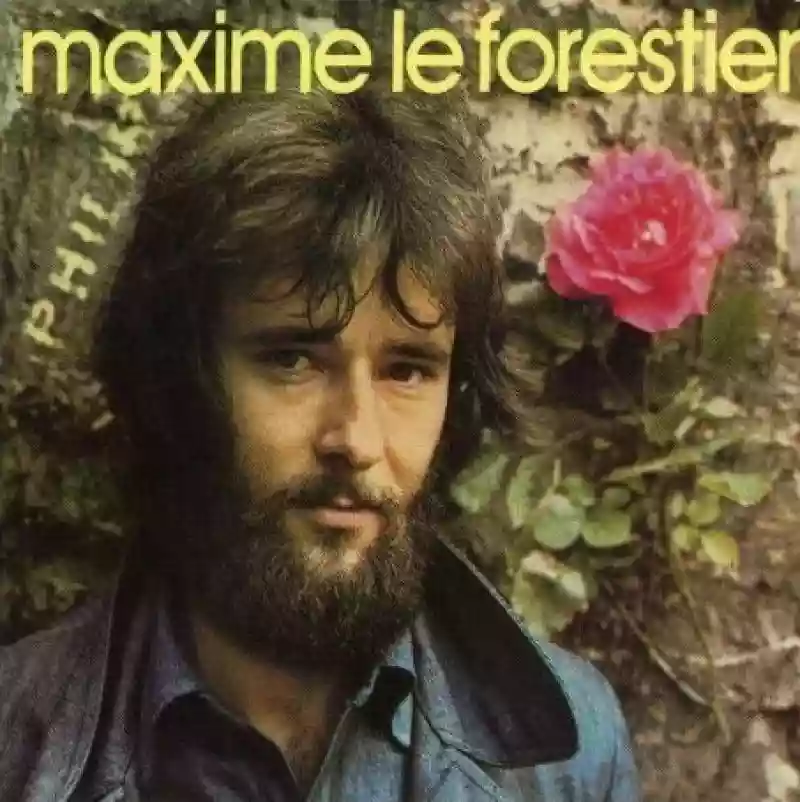
Who knows if it's possible to be a singer-songwriter in France without being influenced in the slightest by the master and poet that was Georges Brassens. Certainly, Maxime Le Forestier, born in Paris in 1949 and a musician ever since, initially a violin student and then a guitarist, introduced to music at a young age by his mother Lili, did not manage it.
Le Forestier has carried on to this day a career laden with lights (few) and shadows (many), often excluded from notable groups of artists, ignored by the charts; yet when in 1972 he released this debut album, "Mon Frère," it received significant critical and public acclaim, so much so that he was invited to open for performances by his great inspiration, Brassens. This album, much like the very first albums by Fabrizio De André, is in reality a collection of various singles released the previous year mixed with new compositions placed there not just to fill space: "Mon Frère", "Education Sentimentale" and "Comme un Arbre" were nothing new for those who sifted through the 45 rpm records in small record stores and followed the performances of Maxime Le Forestier, paired with his sister Catherine, in the suburbs of the French capital. The refined elegance of the French language combined, as in the best tradition of the genre, with arrangements reduced to the bare essential: classical guitar, piano, sparse drums, chorus, strings and trumpets in the distance to make us see with closed eyes the narrow, winding streets of Paris at night, just after it has stopped raining. His is an airy, heart-wrenching song as in the beautiful "Ça Sert à Quoi" or sweetly romantic as in "Marie, Pierre et Charlemagne", imbued with youthful dreams.
A rebellious, nonconformist soul, Le Forestier is one of the voices of that generation that led the French May, was called to military service in 1969 in the paratroopers and from that experience he drew the song "Parachutiste," a great expression of anti-militarism and censored at the time (the lyrics were not printed on the album). He returned from the front a hippie with long hair and a beard, and once again, together with his sister, flew to the United States, staying for a few months in the cradle of that colorful movement, in San Francisco at a friend's house (the "maison bleue"). Here, what is still his most representative song was born, "San Francisco," indeed, a compelling peaceful vision of a community now confined to memories and the tenacity of a few individuals who survive by selling expensive trinkets in Ibiza markets. Today "San Francisco" is still occasionally sung beyond the Alps.
Maxime Le Forestier has continued to sing for decades, often slipping into oblivion but always able to carve out his own spaces, attracting theater audiences; those people in ponchos from then have become those in sweaters and checked shirts of today, days in which the artist who was a flower child has decided to return to his origins, paying homage to Georges Brassens in a series of recent musical releases that remind us, if we needed it, that without him, the culture across the Alps would have been much poorer. But also ours, without thinking too hard. This "Mon Frère" is an album for the coming spring, but it also fits well now with the rain soaking the windows and a drop of Cognac in the glass.
Loading comments slowly
Summary by Bot
Maxime Le Forestier’s debut album 'Mon Frère' is a celebrated entry into the French singer-songwriter tradition strongly influenced by Georges Brassens. Released in 1972, the album combines previously released singles and new songs marked by elegant simplicity and heartfelt lyricism. It reflects his rebellious spirit, anti-militarism, and ties to the 1960s cultural movements in France and the US. The album remains a timeless classic with poetic charm and vivid storytelling, favored by fans of French chanson and poetic songwriting.Tracklist Lyrics Videos
Maxime Le Forestier
French singer-songwriter born 10 February 1949 in Paris. Debuted with Mon frère (1972) and became widely known for “San Francisco”; later scored hits like “Né quelque part” and recorded tributes to Georges Brassens.01 Reviews
