
 •
Rating:
•
Rating:
THE REVIEW
Operating rooms, morgues, psychiatric clinics, and dehumanizing factories. But also shopping malls full of zombies and, let’s not forget, that damned "jerk factory" called TV.
A society subjugated by commodifying capital and technology at its service.
A new totalitarianism.
Someone said that poetry is dead. Someone else claimed that God met the same fate.
All true.
If you listen to this sound fresco composed by Maurizio Bianchi, you'll agree with me.
Sometimes, it's not enough to step outside to understand that "no future" is more current now than it was back in '77. In certain cases, it's necessary to listen to cacophony and inhuman noise to achieve a glimpse of clarity and obtain, in a short time, a chilling overview of the non-world in which we don't live. We just vegetate.
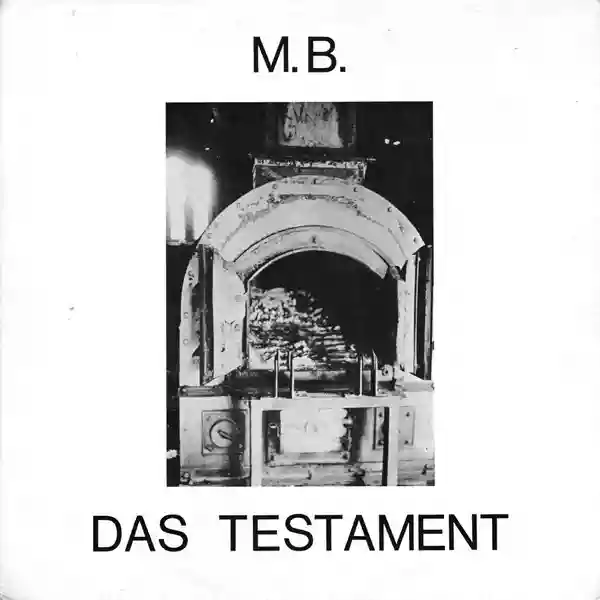
The cover is not apologetic of anything. It is an explicit reference to the atrocities of the twentieth century. Atrocities that, in one way or another, continue to be perpetrated.
Loading comments slowly
Summary by Bot
Maurizio Bianchi's Das Testament offers an unsettling sound fresco reflecting a society dominated by commodification, technology, and totalitarianism. The album evokes the bleak realities of modern existence, likening contemporary life to vegetating in a non-world. Its harsh, inhuman noises provide a stark overview of ongoing atrocities reminiscent of the 20th century. The review suggests the album demands serious attention for its socio-political commentary through experimental music.
Maurizio Bianchi
Italian composer and pioneer of industrial and noise music, active since the late 1970s and known for harsh electronic textures and cassette-era underground releases.02 Reviews
