
 •
Rating:
•
Rating: THE REVIEW
Crazy crazy crazy New York!
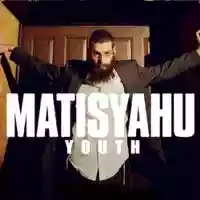
After years of mixing pop art and proto-punk with new wave of African counterculture (whether it's the Black Panthers or Public Enemy doesn't matter) what can we expect? Of course an orthodox Jew who does a raggamuffin much more sincere than many Jamaicans and above all he does it with a real and flaming band behind him, not just bass and tracks! How did we not think of this before?!
Okay, sarcastic reactions aside, this is truly one of the most improbable records you can hear not only in our 2006. I don't know, imagine a religious Woody Allen who replaces his usual verbosity with not too black but not out of place ranting over music played live by a scorching band like the funkiest and most spirited Peppers or the sweatiest Roots!
So head-spinning, to fall in love with a New York band like it hasn't happened for a long time (let’s not even talk about the recent, sometimes cute but always useless, waves of rock revival that started right from the Big Apple)...
Matisyahu has an approach to rhymes worthy of the mystical fervor of the father of reggae, mediated and modernized with a pinch of human beatboxing. The two singles King without a crown and Youth are very interesting mixes of rock and island music. The first sounds lively and enticing like a sixties garage sprayed with lots and lots of beautiful sunny reggae, the second is one of the highs of the album: what class to mix so cleverly and perfectly the best dub-poetry (we are in the realm of Linton Kwesi Johnson) and the more mainstream and lyrical System Of A Down (like Aerials). But Matisyahu and his Roots Tonic are not out of place even when allowing themselves psychedelic dilations powerfully dub moments or more wanton towards soul, not to mention when the band lets loose in suggestive rides rich in climax.
The only possible note concerns the use of voice, which, as atypical as it is compared to raggamuffin standards, still lacks personality especially in slow pieces like What I’m fighting for, a touching homage (unfortunately not too incisive) to the Redemption song of Marleyan memory. Nevertheless, 'Youth' is an astonishing album, difficult to criticize too much.
A great album that, while remaining tied to several traditions, sounds truly original and, these days, that's already a lot.
Loading comments slowly
Summary by Bot
Matisyahu's album Youth offers a fresh and sincere take on raggamuffin reggae infused with rock, supported by a scorching live band. The album stands out for its originality and skillful blend of musical genres, with highlights like 'King without a crown' and 'Youth.' While some vocal choices lack personality in slower tracks, overall the record remains compelling and unique, surpassing many contemporary releases.Tracklist Lyrics Videos
Matisyahu
Matisyahu (born Matthew Paul Miller) is an American singer, rapper and beatboxer known for blending reggae, hip hop, dub and rock with Jewish themes. He broke through with Live at Stubb's and the single King Without a Crown, later broadening his sound and image starting in 2011. His work ranges from band-driven reggae-rock to reflective, conceptual albums like Akeda.03 Reviews
Other reviews
By sexyajax
The album Youth consists of 14 truly subliminal tracks that bring a great desire for peace, freedom, and a zest for life.
Matisyahu places himself in the middle and doesn’t talk about how much his people have suffered or how much they cause suffering, more simply he tells us how beautiful it would be to live outside borders, without wars, without hatred and resentment.
