
 •
Rating:
•
Rating:
THE REVIEW
Let's start from the end, as if it were a b-movie or a noir. Marvin Gaye's body on April 1, 1984, the day of his forty-fifth birthday, lies lifeless on the floor of his father's home in a pool of blood. A single gunshot fired by his father, during yet another violent argument, ended the troubled existence of one of the greatest soul singers ever. A series of romantic and economic misadventures, as well as the tragic death of his artistic partner Tammy Tarrel, had severely tested his fragile psyche, leading him, in '79, to a suicide attempt with a heroin overdose (the "monkey" had long weighed on his broad but far from resilient shoulders).
Quick flashback. We're in the early '70s, and Marvin is the leading artist at the renowned Motown Records. The "black man who appeals to whites" decides to make a turn in his career filled with successes, in open conflict with the record label. Thus was born "What's Going On", an album that marks a turning point for soul music, and not just for soul; no more sugary singles, extreme romanticism, falsettos in abundance, but the street, the ghetto, Vietnam, even ecology forcefully enter the songs: a small, great revolution, in short. But it's not just a matter of content. Even musically, in just over 35 minutes, with this album, we enter a new era for soul music: already in the title track, placed at the beginning, Marvin's double, overdubbed voice stands out, which, together with that percussive "groove" mixed with strings, will constitute a (unreachable?) model for all the black music to come.
There are eight tracks and, as we said, many of them deal with themes of social background; never, however, in a rhetorical or, worse, preachy way. Doubts, anxieties prevail; justified anxieties ("What's going on?"), concerns for the society in which he lives and some ongoing negative changes, for his people, outweigh the possible solutions. Exemplary, in this sense, is the track that closes the album "Inner City Blues" (also seek out the splendid cover by Working Week), which talks about the ghetto, poverty, inflation. An acute sensitivity that brings Gaye closer to a great photographer rather than a good journalist. But the best way to listen to this evergreen is, in my opinion, to surrender to it as if it were a long suite in several movements; a single rich track in which the ebony roots of black music (gospel, in particular, but also jazz) are as important as the flourishing gems that emerge from them. Letting oneself be carried away by these enveloping, warm sounds, by the regular rhythms of a crystalline bass, by arrangements that were innovative for the time (how many have been inspired by them!), thanks to his inseparable collaborator Van De Pitte, is a truly rewarding experience, capable of involving even the most cynical, even those who are not fans of soul music.
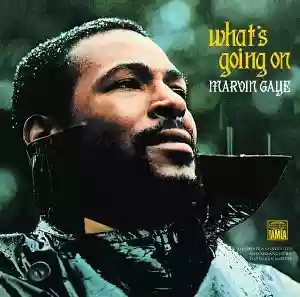
That macabre scene of April 1, '84, I have erased from my mind; that body lying in blood, amidst the desperate screams of the murderous father, should not have been the epilogue of the life of such a restless and sensitive singer and songwriter. Marvin Gaye for me will always be the one who appears on the album cover: an elegant man in his black raincoat, with an intense and tormented look, facing the driving rain without fear.
Loading comments slowly
Summary by Bot
This review reflects on Marvin Gaye's tumultuous life and celebrates 'What's Going On' as a groundbreaking soul album. It highlights the album's social consciousness, musical innovation, and lasting influence. The reviewer urges listeners to experience the album as a unified suite rich in emotion and themes. The tragic end of Gaye’s life contrasts with the enduring power of his music.Tracklist Lyrics Videos
Marvin Gaye
Marvin Gaye (1939–1984) was an American soul and R&B singer, songwriter and producer from Washington, D.C. A Motown star, he revolutionized soul with What’s Going On (1971), explored sensuality on Let’s Get It On (1973) and I Want You (1976), poured his divorce into Here, My Dear (1978), and returned with Sexual Healing on Midnight Love (1982). He died in 1984 after being shot by his father.06 Reviews
Other reviews
By RingoStarfish
Marvin Gaye decides to leave behind the chart-topping soul-pop and create the first African-American concept album.
A jewel of not even 40 minutes. And fresh as a rose!
