
 •
Rating:
•
Rating:
THE REVIEW
In 1990, the sun above the clouds of Seattle was undoubtedly at its zenith. The scene was buzzing with proposals, magnificent feedback tricks enveloped Puget Sound, the Sub Pop empire had not yet been plundered, and the sense of an unspoiled community was still discernible.
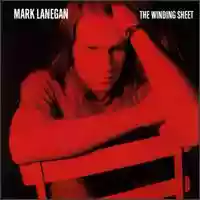
At the height of the grunge era, the frontman of the lysergic hardrockers Screaming Trees was the first to break the Gordian knot of electric tension, evoking unusual and enchanting horizons. Mark Lanegan surprised everyone by releasing "The Winding Sheet": a singer-songwriter album evoking masterful acoustic chiaroscuro, gloomy Cohen-esque atmospheres, and refined Buckley-esque suggestions. And history proved him right, as it's within these grooves that one must look for the foundations (as well as the peak) of an engaging solo career that endures to this day. Not to mention the influence of this album on contemporaries, whom it demonstrated that nightmares and anxieties could be channeled into the lyricism of a non-muscular and roaring sound, but one that is artistically equally valid.
Accompanied by musicians from the Sub Pop area (from Jack Endino to Kurt Cobain and Chris Novoselic) and the great and underrated future Dinosaur Jr Mike Johnson, the Ellensburg singer foregrounded that voice: soaked in alcohol and melancholy, capable of shifting from cavernous tones to impressive surges and offering a dark vision of America, between biblical insights akin to Johnny Cash and the primal blues howl of a Howlin' Wolf.
"The Winding Sheet" is abundant with moments worthy of display: the initial "Mockingbirds" alternates disorienting Barrettian ghosts with exquisite piano phrases and desolate lines like "You can't kill what's already dead". Elsewhere, it unfolds along the tracks of a shadowy and macabre country-folk, as in the stunning "Museum", "Undertow", and "Eyes of a Child", which come to touch delicate psychedelic shores, or stages a bizarre Waitsian cabaret as in "Juarez".
Naturally, echoes of the grunge generation totem, Neil Young, are present. The sinister western ballad register of "Ugly Sunday" seems to evoke some of the Canadian's darker pages, like "Running Dry", while certain atmospheres of "American Stars 'n Bars" seem to resurface when the apparent calmness of a splendid gem like "Wild Flowers" is sublimated into an aching falsetto and a text of touching poetry. But Lanegan was already capable of not living by mere reflected light: think of the majestic and narcoleptic stride of the title track, truly alien.
Finally, the two tracks that saw the participation of the Nirvana leader are those most contemporary to the typical Seattle sound. "Down in the Dark" would have made a striking appearance in the masterpiece "Buzz Factory" by the Screaming Trees, for that pastiche of acid guitars and Black Flag-like obsessiveness, and with Kurt's voice accompanying Lanegan in the cathartic refrain. The famous blues autograph by Leadbelly "Where Did You Sleep Last Night?" is then rendered in a dazzling version: Lanegan climbs imperial heights while Cobain fashions a chilly guitar fluid. A version so magnetic that the one proposed by Nirvana's Unplugged could have equaled it, but not surpassed it.
"We could wander, We could stray/ But the shame remains" ("Eyes of a child").
The demons of the grunge generation are entwined in the roots: around the corner, there is only damnation for its anti-heroes and dissolution for their era...
Loading comments slowly
Summary by Bot
Mark Lanegan’s 1990 debut solo album, 'The Winding Sheet,' marked a turning point during Seattle’s grunge explosion. Departing from electric tension, it blends acoustic folk shades with dark, melancholic lyrics. Featuring collaborations with Nirvana’s Kurt Cobain and others, the album offers a unique mix of gothic Americana, blues, and eerie atmospheres that influenced contemporaries. It remains a foundational work for Lanegan’s enduring solo journey.Tracklist Lyrics Videos
Mark Lanegan
Mark Lanegan (1964–2022) was an American singer-songwriter and the lead vocalist of Screaming Trees, also known for a long solo career spanning dark folk, blues, and alternative rock, and for his memoir Sing Backwards And Weep.21 Reviews
