
 •
Rating:
•
Rating:
THE REVIEW
Platinum-blonde, overly pampered, snobbish, glittering even down to her pubic hair, polished with wax and botox, forced to scheme pathetic features with second-tier rappers to try to ride a tsunami turned into an April drizzle: this is the current profile of Mariah Carey, a star who has chosen the ruthless flaunting of her condition as a multi-awarded wealthy woman after a handful of debut works where a pretty post-adolescent face was cared for exclusively with the classic "soap & water" look and not with an alchemy of cosmetics and arrogance. Carey is now facing a crossroads/abyss between the self-celebration of her immense ego and the continuation of a musical and artistic path that's monotonous and scarcely varied, explained in teenage sweetness.
Yet, Miss Carey was not born as an active member of a pimp crew like Snoop Dogg and the mixed company. In the first half of the nineties, her name was immediately associated with Whitney Houston and the then emerging figure of Celine Dion and indelibly linked to the trend of sugary melodramatic-scenographic hits that sold so well and captured broken hearts. The trio of great voices lent to the record industry and the romantic soundtracks of the period each yielded its amazing curriculum of successes: Houston stood out with I Will Always Love You and numerous accompanying songs for her blockbusters, Dion broke into the anglophone market with The Power of Love, Beauty And The Beast, My Heart Will Go On, Falling Into You, Because You Loved Me and It's All Coming Back To Me Now, while our Mariah showcased a slew of titles, from Vision of Love to DreamLover, through Emotions, Love Takes Time, Without You, My All and Hero. The decline of vocal pop between the nineties and the 2000s partly shocked the trio of big ballads which soon found themselves leading the new fusion of romanticism and R&B sounds. Carey partially defended herself strenuously against this metamorphosis - Butterfly, already rich with modern Rhythm & Blues nuances, is perhaps the best of her discography - but she was soon overwhelmed by her inability to maintain her traditional operation without heavily corrupting it with emerging commercial aberrations: leaving aside the temporary commercial decline inaugurated with the debacle of Glitter, Mariah's flair in combining "good music" and a seductive voice got lost - and seems still lost - in syrupy and homogenized productions that never managed to compare with the charm of her very first "slow" pieces.
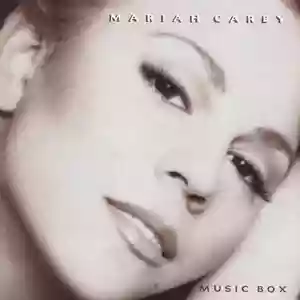
Mariah Carey released in 1993 "Music Box", her third album after a duo of successes (the self-titled debut and the subsequent Emotions) and her last work before the partially rogue R&B-Hip Hop turn, naturally excluding the Christmas album Merry Christmas and the mistletoe anthem All I Want For Christmas Is You. "Music Box" represented not only the summary of the previous two episodes of Mariah's first discography and her greatest multimillion-seller, but also managed to embody in a handful of songs everything that was the mainstream pop of the early nineties, halfway between pleasantly sugary and scenic, danceable and choreographic, and the romanticized melancholy of the blockbuster "tissues in hand." And so, Mrs. Carey's flagship replicated this recipe with the conviction that she could in the future bring similar menus to the tables set by the majors and the charts.
The album hosts three of the artist's major ballads, namely Dreamlover (vaguely R&B), Hero and Without You, a famous trio of songs with great scenic effect, dense but not too dense, with genuine pathos and sincere romanticism, devoid of any cloying ostentation or sexual explicitness. Other pieces of similar craftsmanship and inspiration follow, including the vaguely gospel Anytime You Need A Friend, the warm lullabies of Never Forget You and the title track Music Box, as well as the vocal apotheosis of All I've Ever Wanted. In this cauldron of ballads, there's room also for the delightfully dance-house track Now That I Know and the uptempo freestyle-funky I've Been Thinking About You.
An album that represents an era or, better, part of an era, the milestone of a singer now lost between absurdities and hesitations. "Music Box" is, along with Butterfly, the ideal work for those who currently see a "doll" without polish and charisma and with an ego all too developed, and who don't know the "noble" origin of a great voice thrown into the desolating voracity of ghettos turned into banks and peep show venues.
Mariah Carey, "Music Box"
Dreamlover - Hero - Anytime You Need A Friend - Music Box - Now That I Know - Never Forget - Without You - Just to Hold You Once Again - I've Been Thinking About You - All I've Ever Wanted - Everything Fades Away.
Loading comments slowly
Summary by Bot
This review reflects on Mariah Carey's 1993 album Music Box as a key representation of early 90s mainstream pop ballads. It highlights standout tracks like Dreamlover, Hero, and Without You, praising their genuine romanticism and emotional impact while acknowledging Carey's later career challenges. The album is seen as a milestone before her shift to R&B and hip hop influences.
Mariah Carey
Mariah Carey is an American singer, songwriter and producer who debuted in 1990 with Vision of Love. Known for a five-octave range and whistle register, she dominated 1990s pop with albums like Music Box and Daydream, then shifted toward contemporary R&B with Butterfly. After setbacks around Glitter/Charmbracelet, she staged a major comeback with 2005’s The Emancipation of Mimi; her holiday staple All I Want for Christmas Is You remains a perennial hit.07 Reviews
