
 •
Rating:
•
Rating:
THE REVIEW
If there is one Italian singer-songwriter I have never been able to stand, aside from 2 or 3 songs like "Oro," "Non dormire più," and "Amore per te," it's Mango (just hearing the name makes me want to run away). Only his latest albums put together are a mix of clichés, heard and reheard music, and unvaried metrics over the "centuries". Of course, I can't deny his great collaborations with artists of the caliber of Mia Martini and the extremely hairy Lucio Dalla, but there's a moment in every artist's life when they need to make way for the young, and why not, start living off royalties (in Mango's case, it's the most appropriate choice).
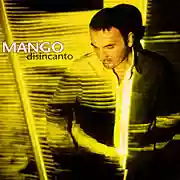
"Disincanto," dated 2002, is a boring album, too much alike to itself, with maybe the usual 2 or 3 songs worth saving.
Let's start by reading the tracklist...
The word love appears in "Un AMORE non torna" and "Non è AMORE da ridere," not two songs but rather two whiny lullabies that certainly aren’t saved by their respective "poetic" and ultrasentimental lyrics; the music, as always, is original but banal if it's been used for over twenty years. "E mi basta il mare" and "E mi consumo" have in common the initial E, E has also gotten on my nerves, I say; the first is a classic Mango song/lullaby while the second attempts some kind of rock that, well, let’s admit, works halfway but nothing more.
"Michelle," on the other hand, is a tedious yet interesting song: firstly, it’s sung in English, secondly, there is no music, and the entire harmony is provided by splendid choruses and delightful counterpoints. It all lasts exactly 2 minutes and 35 seconds. Among the banal yet beautiful songs, "Gli angeli non volano" manages to convey that touch of disenchanted emotion, and we must admit, it can also be listened to one more time if we've just been dumped... but let's not make it a habit!
However, it's not an entire career to discard, of course, otherwise he wouldn't still be here. Albums like "La mia ragazza è un grande caldo" (1976), "È pericoloso sporgersi" (1982), and "Come l'acqua" (1992) should be considered if we want to indulge in romance, yes, because, with Mango's albums, that's all we can do (the meanest would say, aside from lighting a fire).
Loading comments slowly
Summary by Bot
This review offers a critical perspective on Mango's 2002 album Disincanto, describing it as repetitive and uninspired. While a few songs stand out, much of the album falls into clichés and lacks originality. The reviewer appreciates Mango's past collaborations but suggests this work is not his best. Older albums are recommended for true Mango fans.Tracklist Videos
01 Disincanto (03:45)
02 Io sono sentimentale (04:09)
04 Un amore non torna (04:17)
05 Non è amore da ridere (04:01)
06 Fiore del mondo (03:27)
08 E mi basta il mare (03:56)
09 Mi piaci accanto (03:54)
10 Non moriremo mai (04:00)
11 Ho consumato la notte (04:11)
12 E mi consumo (03:53)
13 Gli angeli non volano (03:39)
Mango
Mango (Giuseppe “Pino” Mango; 1954–2014) was an Italian singer‑songwriter from Basilicata known for a distinctive semi‑falsetto and a Mediterranean pop blend with electronic textures. He scored major hits with Oro, Lei verrà and Bella d’estate, and reached a commercial peak with Sirtaki (1990).10 Reviews
