
 •
Rating:
•
Rating:
THE REVIEW
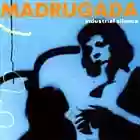
"Industrial Silence". Oxymorons have always held a certain fascination for my fragile mind. Perhaps this was one of the reasons that pushed me to listen to the first album by Madrugada.
Probably, however, it is Sivert Høyem's voice that did the rest: cobalt blue, soft and deep, enveloping like a heavy wool blanket on a rainy autumn evening. Comparisons abound: Nick Cave? Jeff Buckley? Jim Morrison? Michael Stipe? Leonard Cohen? Upon closely listening, the voice of the unkempt Norwegian contains a bit of all this, in small-large doses depending on the flow of the songs.
Madrugada is a one-man band, fundamentally Høyem, shaped around his tonalities and his slender and twisted figure, and "Industrial Silence" is a clear example of this. Songs like "Vocal" or "Strange Color Blue" are watercolored by the vocal cords of the northern boy on a refined and well-crafted musical canvas but certainly not brilliant for originality. The rest flows impeccably, moving, never verbose, never banal despite its derivative nature. It is one of those albums that slips away all at once, like a tumble in the snow. In short, one of those things that, once finished, you already want to do again or, in this case, listen to again. The gloominess present in the title resonates somewhat throughout the album.
The notes are measured, melodic, electric but never harsh or abrasive, sometimes muffled with a bass in the foreground, other times more acidic with guitars played almost rustically taking the lead. The same can be said for the arrangements, meticulously crafted by Høyem himself, always perfect, sometimes even too much so. The minutes of music follow one another amid beautiful ballads (Electric, This old house, Quite emotional) leading up to the pseudo-jazz of "Terraplane" which serves as a perfect close to an album that remains to this day one of the finest milestones of European pop-rock music (and beyond) of the late '90s. A sort of "Monster" (the R.E.M. album) from the Old Continent. Not by chance, Madrugada received the blessing of Stipe, who was captivated by the baritone qualities of the Norwegian singer and the sweetness, never cloying, of the melodies.
It is not a milestone, but, in its genre, it is an album in which Madrugada reached excellent levels; levels which in the future they would only brush against with "The Deep End".
Loading comments slowly
Summary by Bot
Industrial Silence, Madrugada's debut album, blends melancholic atmospheres with expertly crafted pop-rock melodies. Sivert Høyem’s haunting voice is the album's centerpiece, drawing comparisons to legendary artists like Nick Cave and Leonard Cohen. The arrangements are meticulous, balancing electric and acoustic elements with emotive ballads. Though not groundbreaking, the album is a solid milestone of late 90s European rock, praised for its depth and subtlety.
Madrugada
Madrugada is a Norwegian alternative rock band known for Sivert Høyem’s baritone and a moody, nocturnal sound. The group’s classic run spans Industrial Silence, The Nightly Disease, Grit, The Deep End, the live set at Oslo Spektrum, and the 2008 self‑titled album. Guitarist Robert Burås died in 2007; the band disbanded in 2008 and reunited in 2018.06 Reviews
