
 •
Rating:
•
Rating:
THE REVIEW
Looking back today, the story of Lynyrd Skynyrd seems like a fairy tale, without the happy ending, but still a fairy tale. It's impressive to think, almost fifty years after Gary Rossington and the others first picked up their guitars, how these (former) Southern rebels literally went, in a few years, from school desks to the charts across half of America. Founded, like so many bands, by kids who met over high school books, they managed, in a journey that lasted less than five years, to brand their quirky name in bold letters into the history of world rock, laying the foundations for what is now commonly defined as southern rock or southern rock, alongside other heavyweights like the Allman Brothers Band and Molly Hatchet.
That explosive mix of hard rock, country, and blues would establish them as one of the most important bands ever, creators of at least three unforgettable albums and a series of singles now considered milestones of a certain way of understanding music. Their lyrics, which distinguished them from the mass of similar bands, as did their musical proposal, avoided narrating a mythical and legendary South, more imagined than true, often tackling real issues, like racism or the spread of firearms, while also speaking about personal stories and feelings, all always covered with a certain melancholic vein.
The first album, released in '73, with the entire world hard rock scene churning out classics one day and the next, already presents the band at its peak. Ronnie Van Zant's nasal and communicative voice is recognizable among thousands, as are Billy Powell's keyboards and the legendary trio of guitars formed by Gary Rossington, Ed King, and Allen Collins, all supported by a solid and syncopated rhythm section. "Free Bird" is an immortal track, still played on the radio today despite its considerable length, an authentic summation of Skynyrd's musical offering. "Gimme Three Steps" and "I Ain't The One" may be less popular with the general public, but they are irreplaceable gems for genre enthusiasts. It might seem absurd, but forty years later, the band's name, a fanciful transliteration of a founding member's school teacher, is still pronounced in many different ways, despite the debut album's title clearly explaining the pronunciation: "(Pronounced 'Leh-'nérd 'Skin-'nérd)".
The success is overwhelming, and a second album soon arrives, cementing the Americans among the genre's heavyweights: "Second Helping", from 1974, reprises the debut's formula, showing a determined and inspired band presenting a record without weak points in their second length test, where every track has become a classic over time. "Sweet Home Alabama", "Call Me The Breeze", "The Ballad Of Curtis Loew" are still indispensable in the ensemble's performances and authentic manifest tracks of southern rock.
Success also brings with it major commitments, and the touring life eventually becomes exhausting: the band starts losing members, Bobby Burns leaves and is replaced on drums by Artimus Pyle, who has a heavier and more incisive touch. However, the new album, hitting stores by '75, features a band that has lost the spark of its early days. The production of "Nuthin' Fancy" does not please everyone, the album doesn't transmit the energy that characterized the previous ones, and there's a sense of crisis: the songs aren't bad, "Saturday Night Special" is still highly requested, but it seems that, after the initial glory days, the Americans' proposal is becoming standard and unable to renew itself, presenting a good but not as interesting album as its predecessors. The album still sells well, but Rossington and the others' inability to keep the lineup together is worrying: Ed King, the band's axe for years, leaves, leaving the Americans without their characteristic guitar trio, at least in the studio.
"Gimme Back My Bullets", released in '76, suffers partly from the difficulties of the moment but seems more focused than its predecessor, though far from the freshness of the first two unforgettable albums. The title track, "Double Trouble" and "All I Can Do Is Write About It" still deserve a place of honor in the Jacksonville band's discography, considering that albums like this would nowadays make any rock formation's fortune, but inevitably, if one is used to the best, one cannot settle for an album that's "only" good.
If the subsequent tour is the opportunity to show that the band is still alive and kicking despite some studio difficulties, "One More From The Road", also from '76, the only live album recorded during the golden years, is also the chance to present the talents of newcomer Steve Gaines to those who could not attend the tour, a true game-changer who would have revived the fortunes of a formation that seemed to have partly lost its way.
As noted at the beginning, it's quite impactful to consider how all this long story unfolds in less than five years, indeed the time that passed between the first album and the Skynyrd's forced disbandment: timelines unthinkable today, just as it would be considered commercial suicide today, with a record market in constant crisis, to bring a new work to stores every year, managing, moreover, to always achieve at least good artistic results. Different times.
1977 has finally arrived, and the time is ripe for the definitive relaunch of a band that seemed to have suffered a bit too much from the grueling album-tour-album rhythms over the last two years. Steve Gaines, confirmed on guitar, is the wild card for the new incarnation of the Americans, who now seems destined for a consistently growing career: "Street Survivors" is the album of the definitive rebirth, with the Skynyrd's musical proposition seeming to have reached full maturity. The album skillfully alternates hard rock, female choirs, blues, and country, showing a band capable of range that, precisely by not wanting to set limits, manages to impress even several years after the debut. "What's Your Name?", "I Know A Little" and "That Smell" would become true classics, demonstrating how the seven Americans had regained their former sparkle. By a tragic twist of fate, however, things would take an entirely unexpected turn: three days after the album's release, the plane on which the band was traveling crashes, killing Ronnie Van Zant, Steve and Cassie Gaines, a backing vocalist, on the spot, as well as various crew members, leaving a still today unfillable void.
There's no point beating around the bush, the story of the Skynyrd ends that day. Years later, the surviving members, led by Gary Rossington and Ronnie's brother Johnny, would stage a nostalgic reunion, with new albums and tours, but it wasn't the same. The chronic inability to keep a stable lineup, along with the loss of other historical members like Billy Powell and Leon Wilkeson, would effectively reduce the current incarnation of the band to luxury session musicians in the service of the southern rock scene, under the command of a Gary Rossington who, by now, simply does not want to retire the historic name. Another massive difference between the two versions of the band is in attitude and certain stances: if the historical Skynyrd were characterized by a certain hippie and libertarian approach, rough but sincere, as such, the current ones seem too focused on a tedious and irritating presentation of certain reactionary and gross aspects of the old Southern myth, complete with eagles and stars and stripes waved at every opportunity.
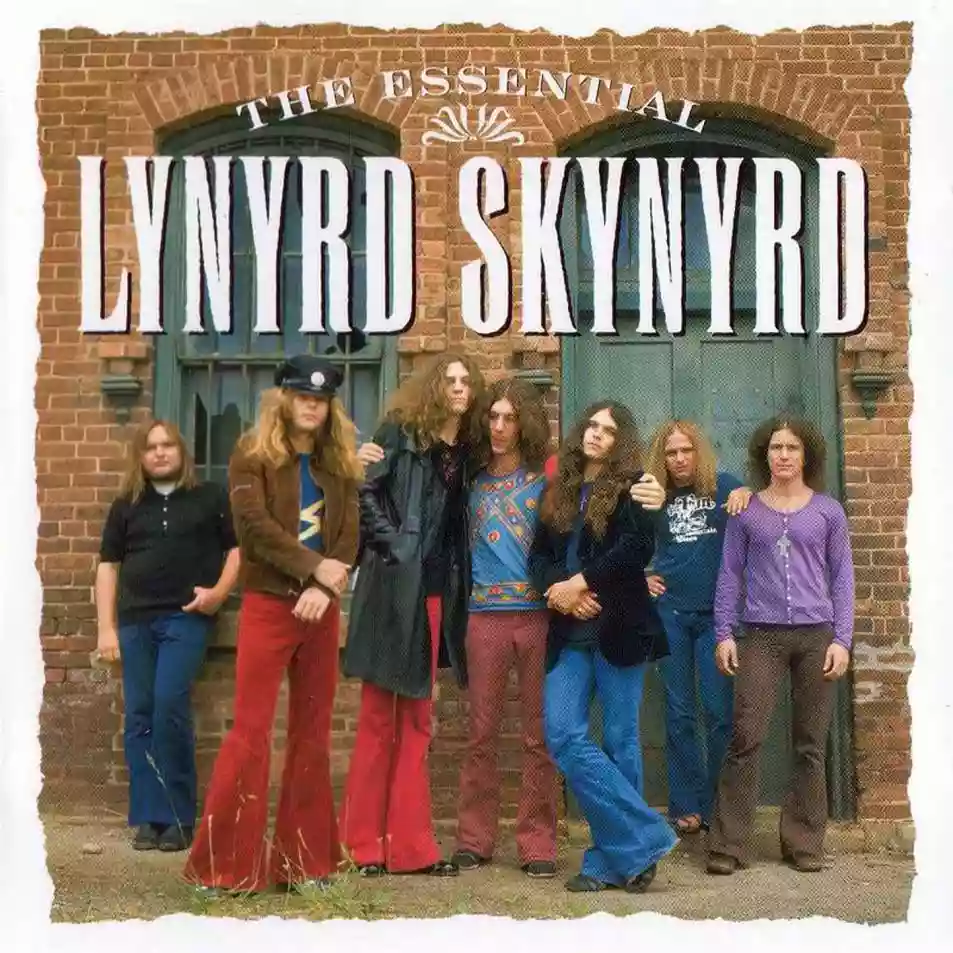
Of the countless anthologies published over the years, "The Essential Lynyrd Skynyrd", initially released by MCA and then by Geffen under the title "Gold", is one of the most comprehensive. The current version of the band is logically not considered, instead giving ample space to what was recorded at the time by Ronnie Van Zant and the others. While naturally albums like "(Pronounced 'Leh-'nérd 'Skin-'nérd)" and "Second Helping" are raided, it is undeniable that "Gimme Back My Bullets" would have deserved more space, although the intention to highlight less well-known tracks like "Four Walls Of Raiford" and "Mr. Banker" is commendable, thus showing that the greatness of the band did not only stem from successful singles but also from less popular tracks."The Essential Lynyrd Skynyrd" could therefore be the opportunity to rediscover one of the most noble and unfortunate formations of American rock, still capable of delivering emotions some forty years after the golden times, and authors of a mature and multifaceted rock, the true expression of the most genuine and fascinating side of the Southern United States.
Disc 1
- Sweet Home Alabama
- I Ain't The One
- Was I Right Or Wrong?
- Gimme Three Steps
- Workin' For MCA
- Simple Man
- Swamp Music
- The Ballad Of Curtis Loew
- Saturday Night Special
- Mr. Banker
- Comin' Home
- Call Me The Breeze (J.J. Cale)
- Free Bird
Disc 2
- What's Your Name?
- Whiskey Rock-a-Roller" (Live)
- Tuesday's Gone
- Double Trouble
- I Know A Little
- Four Walls Of Raiford (Undubbed Demo)
- I Never Dreamed
- Gimme Back My Bullets" (Live)
- You Got That Right
- All I Can Do Is Write About It (Acoustic Version)
- That Smell
- Free Bird (Live)
Loading comments slowly
Summary by Bot
This review explores Lynyrd Skynyrd’s rapid rise in southern rock, their timeless classics, and the tragic events that shaped their legacy. It highlights the strengths of their early albums and the comprehensive nature of 'The Essential Lynyrd Skynyrd' compilation, which showcases both hits and lesser-known gems. Despite band struggles and tragic losses, the compilation stands as a tribute to their enduring influence.
Lynyrd Skynyrd
Lynyrd Skynyrd are an American rock band formed in Jacksonville, Florida, widely associated with southern rock and known for songs such as “Free Bird” and “Sweet Home Alabama.” The original run ended after a 1977 plane crash killed singer Ronnie Van Zant and others; the band later reunited with Johnny Van Zant on vocals and continued recording and touring.22 Reviews
