
 •
Rating:
•
Rating:
THE REVIEW
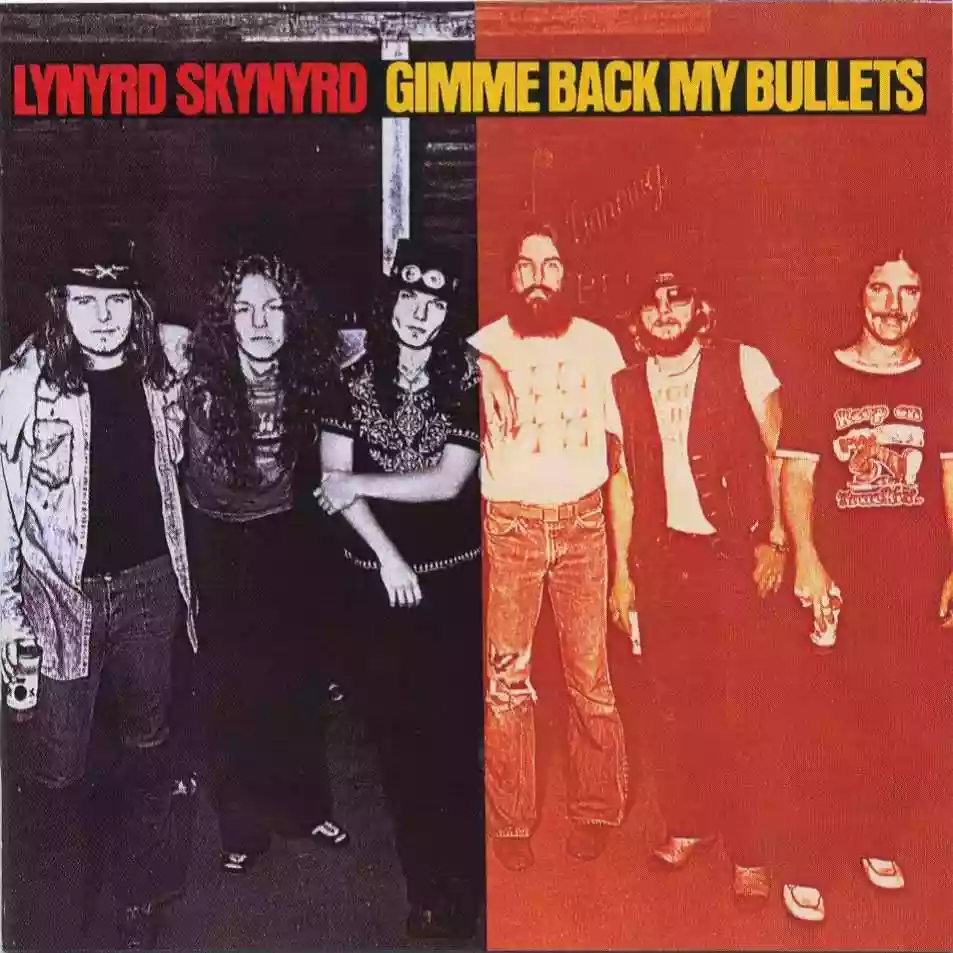
Rock in uniform? Impossible. Indeed, because while in the rest of the world it was considered a genre synonymous with freedom and unrestrained rebellion, in the southern States it was a tool of reactionary incitement. Tracing back to the gray Confederate uniforms of the Confederate States, the home of country rock. I was incredulous and almost fascinated by the idea that the long-haired and drunken escapades that I proudly display as a damnation could have any connection with the order of right thinking. Enticed by the idea of being offered a chance for redemption without even having to recite mea culpa, I began collecting Lynyrd's discography. Let's say that until the plane crash that cut short the life of Van Zant, their works are all worth buying. However, we can only reasonably affirm this a posteriori. In the intentions of its authors, “Gimme Back...” (1976) was supposed to repeat the success of the previous albums. Which it did not, despite the undeniable stature of these notes. The temptation to repeat themselves once a cliché was created must have been too strong.
For those who do not know them, it is even obvious to ask what did Lynyrd really offer that was memorable apart from "Sweet Home...". The answer is that back then, it was possible to invent even just by skirting the blues. Not like today. You go to hear a jazz concert, and they deliver the perfect execution of an improvisation as if it were their original creation. This Southern rock at least does not pretend to be something it is not. "Got The Same Old Blues" and "Double Trouble" even before being rock pieces, are "lessons of feeling", centered on blistering guitar arrangements. All tracks are heavily influenced by the country from which the band seems incapable of departing. In the ballads, which in truth are not quite up to the pearls of previous albums ("Every Mother's Son" resembles a lot a replay of "Simple Man"). In the roaring verses of the title track, where all the pride of a raceless people is recited, raising its raw stereotypes to an element of common aggregation. But where the pieces truly take flight is during the solos, where the guitars prove to have wings as well as claws. Finally, the overwhelming chords of “Searchin’,” a piece very much like “Creedence Clearwater...,” must be mentioned.
I recently happened to read the story of the episode from which the band's name originates. About this Leonard Skinner, a teacher at an American high school in the sixties who persecuted his students because of their unlikely hairstyles. For people like Lynyrd, there was never a chance to redeem themselves without betraying who they are. Every uniform, even that of the gray Southerner, carries the color of a different moral order; just wipe off the dust. The same "long live the South," but rock is for deserters only.
Loading comments slowly
Summary by Bot
The review explores Lynyrd Skynyrd's 1976 album 'Gimme Back My Bullets' within the complex cultural landscape of Southern rock. It highlights the band's blending of blues, country, and rock, emphasizing powerful guitar solos and themes rooted in Southern pride. While the album didn't reach the success of previous works, it remains a credible and authentic expression of the genre. The review also touches on the band's heritage and the untimely loss of Ronnie Van Zant.
Lynyrd Skynyrd
Lynyrd Skynyrd are an American rock band formed in Jacksonville, Florida, widely associated with southern rock and known for songs such as “Free Bird” and “Sweet Home Alabama.” The original run ended after a 1977 plane crash killed singer Ronnie Van Zant and others; the band later reunited with Johnny Van Zant on vocals and continued recording and touring.22 Reviews
