
 •
Rating:
•
Rating:
THE REVIEW
Excuse me, do you have talent for sale? No, try a bit later. Excuse meeeee?
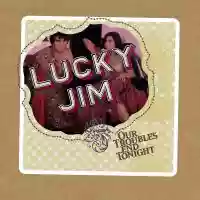
From the very first notes of this sort of Americana, we are overwhelmed by the extraordinary qualities of these two guys based in Brighton, Gordon Graham originally from Edinburgh with a formative background and practice of the trade in New York’s East Village for about ten years, before repatriating and debuting together with Ben Townsend, multi-instrumentalist and producer of Lucky Jim (and here I dare to suppose) taken from the title of Kingsley Amis's famous 1954 committed comedy novel.
The content consists of 10 well-made tracks, clearly derived from the Dylan/Neil Young school, but quite a bit (in my humble opinion) of Elvis, especially in interpretation, audacity, and a tendency towards the crooner, also do honor to artists once local to Graham, like delAmitri and quite a bit to Edwin Collins. They engage in slow ballads of substantial caliber in almost elliptical movements, on the edge of hypnosis, like those that make you rip off the wallpaper and a forest appears. This way of composing is their strength but also a seriously vulnerable aspect of theirs. From the title, it seems natural to wonder which modern woman (even one coming from Benetutti) would be fooled by a statement like: "all our troubles will cease to exist tonight". And then there is the danger that prolonged listening to this album might create a potential Cohen-like syndrome with symptoms such as, morbid obsession over the suffering caused by your girlfriend/boyfriend and thereby neglecting (some would dare say, conveniently) to clean the bathroom for months.
Contained within the content, in other words, the claustrophobia felt in the themes of these songs, the impossibility of sustaining a feeling, giving it a purpose, a distinctive identity slips away from us, and this is conveyed for entertainment purposes, amusing us, teasing us. These themes, as heavy as boulders to be taken lightly, leave us bewildered with doubts of the type, unmanageable impulses of attraction and due respect for a notable Lesbia.
Then it will be too late, wrapped in Hispano-troubadourian plots, it will no longer make any sense to ask who came first, the woman or the guitar.
Loading comments slowly
Summary by Bot
Lucky Jim’s debut album 'Our Troubles End Tonight' showcases a compelling blend of Americana heavily influenced by Dylan, Neil Young, and Elvis. The duo’s hypnotic slow ballads explore deep emotional themes, balancing audacity with vulnerability. Their songwriting creates a captivating atmosphere that is both entertaining and thought-provoking. The album is praised for its quality and originality, despite the risk of emotional heaviness.Tracklist Lyrics Videos
Lucky Jim
Brighton-based musical duo centered on Gordon Graham (originally from Edinburgh, with a background including time in New York’s East Village) and Ben Townsend (multi-instrumentalist and producer). The reviewed album Our Troubles End Tonight contains 10 tracks of Americana/folk-influenced balladry.01 Reviews
