
 •
Rating:
•
Rating:
THE REVIEW
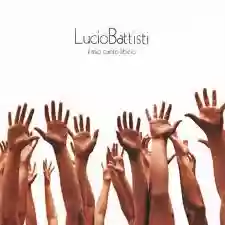
Surely from the Mogol-Battisti partnership, great songs emerged, always unburdened and light, but at a certain point, one needs to see where genius ends (assuming there was any) and where the fraud begins. In a decade like the '70s, with social upheaval and an unprecedented desire for public participation, hiding behind such an unresolved private matter and a sentimentality so unbearably hypertrophic, made him a pop icon and a national-popular symbol, even reluctantly. The songs of the Battisti-Mogol duo are, in principle, all a bit like "il mio canto libero": addressing the generation of then-thirty-to-forty-year-olds, never taking a step further, presenting the problem and never the solution due to the holy condition of "no, perché no". "Capirle tu non puoi, tu chiamale se vuoi, emozioni", okay, and then? What emotions? Will you explain it to me in other terms or not? No. It's the myth of the screwed generation, that lets itself be deceived and responds with a dose of saccharine love that is cloying and at the same time reassuring. Before listening to a Battisti track, even if you've heard it fifty times, you always expect a lot but then end up settling. And you realize that settling was what you sought from him. Battisti will always be generational, crossing over shared experiences, and it's no coincidence that both Renzi and Salvini quote him. Quoting him means exploiting the empathy of being part of that history, taking advantage of that existential lament so poor from a songwriting perspective but so effective from an epidermal perspective. Battisti will always be there, regardless of time, death, social and political changes, trends. And he will always be there precisely because he is generational, precisely because he embodies the megaphone of a pragmatic and reassuring existential torment, ethically unassailable, culturally uninterested. Cheers.
Loading comments slowly
Summary by Bot
This review critically assesses the iconic album Il mio canto libero by Lucio Battisti, recognizing its role as a generational symbol in 1970s Italy while highlighting its sentimental excess and songwriting limitations. The partnership with Mogol created light but emotionally unresolved songs that resonated with listeners without offering solutions. Despite musical criticisms, Battisti remains emblematic of an era and social sentiment that continues to be referenced politically and culturally.Tracklist Lyrics
01 Il Mio Canto Libero (00:00)
Lucio Battisti
Lucio Battisti (1943–1998) was an Italian singer, composer and producer from Poggio Bustone. He rose to prominence in the late 1960s and 1970s with lyricist Mogol, crafting many of Italy’s most beloved songs, and later pursued a radical electronic and linguistic shift with Pasquale Panella (1986–1994). From 1980 onward he withdrew from concerts, TV and interviews, insisting the art should speak for the artist.104 Reviews
