
 •
Rating:
•
Rating:
THE REVIEW
That there were not great relationships and different visions of life between the two Lambs (you remember them, right?) was known and noticeable even live (you didn't miss them, did you???): she was shy and focused on the melody, the singing, and on her very simple yet dense words; he was always engaged in drawing the audience in with percussions that brought the sound back to the primary social function of music, at times forced (but always sashaying like one of those insipid boybands) by the programming of the most technological machines.
Now that the lights on the duo have dimmed, Lou does it all on her own. She founded a label that will produce music independently, even if it’s not hers. It's called Infinite Bloom Recordings.
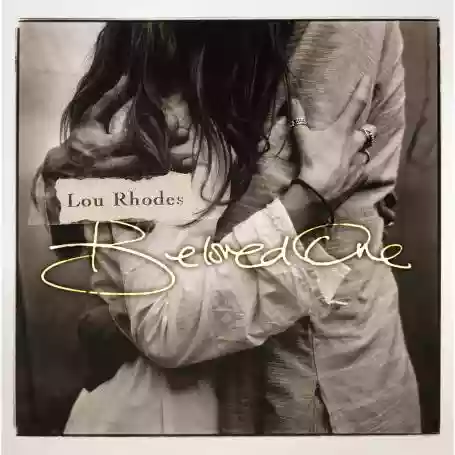
The first creation is precisely "Beloved One".
Let's say it right away, there's no trace of electronics. On the contrary, it is the acoustic guitars, violins, and accordions that dominate. So much so that it's easy to imagine Lou and her band recording the album in some remote location among the woods, lulled by the sound of a river, protected by wood and bricks, and dressed in fabrics and wool. The melodies are overall autumnal, intimate, and passionate, but this is probably expected given her responsibility in Lamb. The new element, which at this point is slightly predictable, is that listening to Lou Rhodes' new work brings to mind more Michelle Shocked, Ani DiFranco, and Suzanne Vega than Massive Attack or Portishead. The muted and plucked guitar in "Tremble" (perhaps a single?) directly recalls the playing style of the prolific author from Buffalo. "Fortress" has the atmosphere of an American folk song, perfect for warming up on a long night and cooking a frugal dish by a bonfire. Particularly the percussion and the violins in "No Rerun" recall Loreena McKennitt from "The Mask and The Mirror". In the tense title track, European and North American folk elements are well mixed. "Inlakesh" might even remind you of those Led Zeppelins in love with Maghrebian atmospheres with its determined but lazy percussions, and it's easy to sip a hot mint tea to it. The strings accompany the pain of the end of a feeling in "To Survive". Acoustic guitar chords (of course!) perhaps too predictable in the final crescendo track ("Why") are nonetheless forgiven thanks to Rhodes' singing in a state of grace. For those who know how to wait, a brief vocal pearl awaits.
Perhaps it lacks a certain ingenuity typical of the Lambs as in (for example) "B-Line", but Rhodes' solo album seems to gain (and it wasn't easy!) in passion. To indulge in the tremulous, velvety, and warm voice of Louise that has never ceased to enchant me.
Loading comments slowly
Summary by Bot
Lou Rhodes' album Beloved One marks a distinct shift away from her electronic roots with Lamb, embracing acoustic folk instruments like guitars, violins, and accordions. The album offers intimate, autumnal melodies infused with passion, evoking artists like Ani DiFranco and Suzanne Vega. Its cozy, natural ambiance creates a comforting listening experience. While it may lack some of Lamb's experimental ingenuity, the album shines through Lou's warm and velvety voice.Tracklist Lyrics Videos
Lou Rhodes
English singer-songwriter best known as the vocalist and co-founder of Lamb with Andy Barlow. Her solo work shifts to intimate, folk-leaning arrangements, including Beloved One (2006), the Mercury Prize–shortlisted debut, One Good Thing (2010), and theyesandeye (2016).03 Reviews
