
 •
Rating:
•
Rating: THE REVIEW
On December 21, 1973, Lou Reed and his band held a concert at the Academy of Music, a theater in the heart of Manhattan just a few blocks from his home. Thirteen songs were on the setlist, or rather fourteen, including the initial instrumental intro composed by his lead guitarist Steve Hunter. Five episodes were taken from the repertoire of his old group Velvet Underground, the rest from his solo albums "Transformer" (1972) and "Berlin" (1973).
A few months later, in 1974, "Rock'n'Roll Animal" was released, a single LP containing six of the pieces performed on that occasion (four of them by Velvet), and it was the definitive success for Lou: the powerful and chrome-plated hard/glam rock appeal with which the brilliant musicians at his side covered the skeletal proto punk marches of the late sixties as well as a couple of more recent things expanded his fame to rockers all over the world. Many in reality paid more attention to the dazzling ensemble sound, the impeccable bass/drum groove, and the particular feeling created by the work of the two lead guitars than to the out-of-tune, shadowy, and fascinating rants of the ultra-metropolitan bisexual junkie temporarily loaned to the rock arena.
Lou was not happy about this and soon fired the group, keeping only the rhythm section for his next studio work "Sally Can’t Dance." Another good success, but RCA, his record label, was gnawing because that Lou Reed was more marketable and universal. In 1975 they then decided, without consulting the artist, to release this new live album, with another six tracks drawn from the same, identical concert in Manhattan from nearly two years earlier, with the evident desire to scrape the bottom of the barrel.
Lou's revenge would be terrible: "Metal Machine Music," that is, four entire vinyl sides of pure, iconoclastic feedback generated by two electric guitars left leaned against maxed-out amplifiers for quarters of an hour while the recording tape ran: among the most unlistenable, incommunicable, and useless (except to himself) things in the history of musical commerce.
Finally closing the affair, when the time came, several years later, to master the award-winning "Rock'n'Roll Animal" on CD, RCA would add, as bonus tracks, the last couple of songs performed that evening still missing from the roll call. In this way, the two works in question contain, in their digital format, the entire performance at the Academy even if in a random order, without respecting the actual setlist.
There are some strange music enthusiasts who love "Rock'n'Roll Animal" and cannot stand "Live," going so far as to say that the former is a bomb and this sounds limp... how is that possible? It's the same evening; they're the same tapes! Lou Reed is that: late 1973, completely wasted, bleached blond, and full of eye make-up, thankfully without a guitar on him (he's inept, even if he would not get rid of it anymore and even today entertains us with his very poor skill, "solos" included) and pushed by five very talented and greatly cohesive musicians.
The sound is round, creamy, rich. Hunter and Dick Wagner's guitars unleash in proto-punk and pre-glam rock, transforming them into sonorous melodic hard rock ("Vicious", "I’m Waiting For The Man"). When the compositions are more atmospheric, sick, and dangerous ("Oh Jim", "Sad Song"), Ray Colcord's keyboards and the metronomic advancing of Prakash John's instrument, a highly talented Indian bassist, take center stage. The nightmares of "Berlin" and the lasciviousness of "Transformer" are rendered in a professional manner but also attenuated by the group, which evidently enjoys itself more when the rhythm is fast.
It would have been nice if these six songs had been released together with the other eight in "Rock'n'Roll Animal" from the start, thus making that album double and linking it to super classics of generous duration like "Made in Japan" by the Purple, "Absolutely" by the Doors, or "Live At Fillmore" by the Allman. This work, instead, opposed by the protagonist himself, shares a meager life in the shadow of its older brother, despite being of the same substance and especially value.
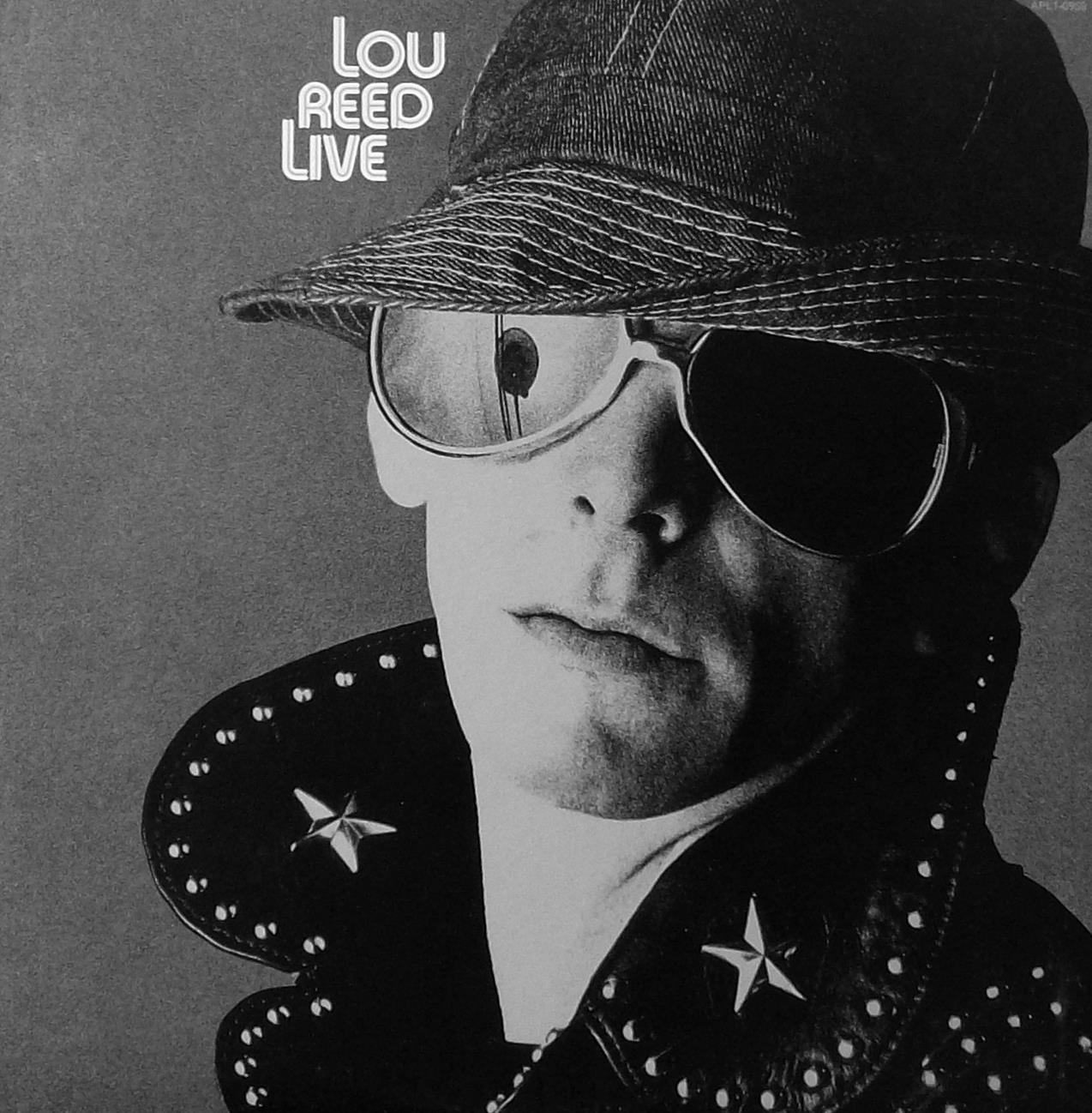
Final tidbit: Lou's cover photo, featuring one of those narrow-brimmed hats that still infest New York today, is a shot by Oliviero Toscani, at the time at the beginning of his career.Loading comments slowly
Summary by Bot
This review explores Lou Reed's 1973 live concert at the Academy of Music, originally segmented into two live albums. It praises the powerful guitars and tight rhythm section, highlighting the contrast between Reed's vocal style and the band's musicianship. The review also discusses the album's release issues and its underrated status compared to Rock'n'Roll Animal. Overall, it portrays the album as a valuable but overlooked part of Lou Reed's legacy.Tracklist Lyrics
Lou Reed
Lou Reed (born Lewis Allan Reed, March 2, 1942 – October 27, 2013) was an American musician, singer-songwriter and founding member of the Velvet Underground. He had a long solo career noted for albums such as Transformer, Berlin and New York and for experimental works including Metal Machine Music.71 Reviews
