
 •
Rating:
•
Rating:
THE REVIEW
Turin, 1991. A strange period, musically speaking, for Turin. Not yet completely free from the shadow of a decade of dark music, not yet completely conquered by the new things on the horizon, some well-known musicians from the area were groping for their own musical identity. Among them, Luca Morino and Fabio Barovero, later known as Mau Mau, a successful European band.
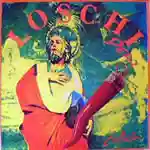
This first album by Loschi Dezi gathers some amusing little songs during whose listening one can realize the remarkable musical and literary talent of the two cheerful characters mentioned above. The opening song, "Motadanguilla", a cheerful reckless march, continues to amuse even after 15 years. The album also contains "Loschi Dezi", a furious Pogues-style ditty, and "Molita", a song in Piedmontese dialect that partially anticipates what Mau Mau would later become, heavily influenced by Les Negresses Vertes to the point of borderline plagiarism.
A decidedly good work (considering the average level of this type of production in those years), which can be listened to with pleasure and tenderness, followed by "Paura e Maraviglia", the superfluous testament of Loschi Dezi. This "Càbala" was mixed by Max Casacci (Subsonica, Africa Unite) and Mada (Madaski, Africa Unite, Suicide Dada) and features among the not-yet-star Guests, the participation of Luciana Littizzetto, among "Il coro delle Acquesante" components. It's hard to find, but by wandering around the web it's possible to find it used and occasionally new at collector's prices.
Loading comments slowly
Summary by Bot
Loschi Dezi's 1991 album Càbala captures a unique moment in Turin's music history, showcasing the early talent of Luca Morino and Fabio Barovero before their success with Mau Mau. The album features a mix of cheerful and folk-inspired songs influenced by European sounds of the era. It includes notable tracks like 'Motadanguilla' and 'Loschi Dezi' and highlights connections to artists like Max Casacci. Though rare, the album remains a pleasant listen with historical significance.
