
 •
Rating:
•
Rating: THE REVIEW
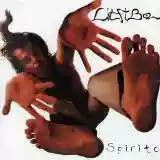
After a good album like the almost metal Terremoto, the Pelù-Renzulli duo reunites in the studio to record what is, in my humble opinion, the best of the second phase of the band (I believe that the best overall is 17 Re). Eleven tracks make up the album in question, amidst the latest influences of the previous album ("Lo Spettacolo"), faux blues ("Lacio Drom"), and music with vague gypsy influences ("Spirito", "Tammuria").
The album opens with the heaviest track, "Lo Spettacolo", a well-successful single, with a spectacular beginning and a nice riff. Very beautiful lyrics, cute solo. One of the best on the album.
"Animale Di Zona" starts with an almost apocalyptic introduction, then proceeds in the form of a somewhat sad ballad. The solo is not among the best of the group, but it's still worth noting.
The title track is a blend between gypsy and singer-songwriter rock, tougher than the standards of the genre, with the appearance of a witty marimba and various percussion. A classic of the band (or at least of its second phase).
"La Musica Fa" is a ballad that alternates between an acoustic guitar and percussion part and a heavier one. Although more than decent, it is, in my opinion, the weakest of the album's compositions, mainly too long.
The style of "Tammuria" is along the lines of "Spirito", slightly worse, with a rather joyful chorus.
The faux blues "Lacio Drom" is probably the best song on the album; it doesn't lean towards too evident gypsy influences, ballads, or heavy reminiscences; it's simply marvelous.
"No Frontiere" is a nice song along the lines of "La Musica Fa", but much better executed.
"Diavolo Illuso" is the connection between gypsy and heavy (but more oriented towards the former influence): percussion, quite cute chorus, very beautiful solo.
"Telephone Blues", with a duration of 1:03, is a semi-instrumental with Pelù singing an absurd text ("Oggi non rispondo\ Non c'è più ritorno") over a bass line and distorted phone voices.
"Ora D'Aria" is another heavy fragment with gypsy influences. Cute.
"Suona Fratello" is unreviewable: Pelù singing another indecipherable text (probably written when he was drunk) over two guitars, one of which is arpeggio.
The last album of Litfiba worth noting (although Mondi Sommersi is not exactly to be discarded), Spirito already begins to show the first signs of the subsequent evolution (?), especially in Pelù's voice.
Loading comments slowly
Summary by Bot
Spirito showcases Litfiba's best work in their second phase, blending heavy rock, gypsy influences, and blues. Standout tracks like "Lo Spettacolo" and "Lacio Drom" highlight the band's versatility. Despite minor flaws, this album marks an important evolution for the band, especially in Pelù's vocal delivery.Tracklist Lyrics Videos
Litfiba
Litfiba is an Italian rock band formed in Florence around 1980. They were central to the Italian new wave/post-punk scene of the 1980s and are widely associated with the early trilogy of albums Desaparecido, 17 Re and Litfiba 3. The core public figures in reviews include Piero Pelù and Ghigo Renzulli.87 Reviews
Other reviews
By paul91liam
"Spirito is an album that alternates episodes of remarkable quality with others less successful."
"This album marks the end of the Litfiba rock period, as with the subsequent Mondi Sommersi, this type of music is practically nonexistent."
