
 •
Rating:
•
Rating:
THE REVIEW
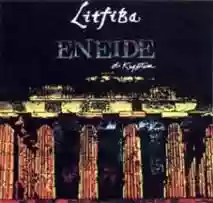
Soundtrack of the theatrical show of the same name, by the Krypton group is Litfiba's first official album.
It is a purely instrumental work, apart from the intro of "La battaglia" sung/recited by Pelù. The work belongs mainly to Antonio Aiazzi and Gianni Maroccolo (who later composed other theatrical soundtracks) for the dark and dissonant sounds.
It is an excellent debut, which already outlines the characteristics of the early Litfiba, epic and decadent and, although it is a soundtrack, the songs do not lose their power when detached from the context in which they were created. The influences of the album are manifold, from Joy Division, Cure, and Ultravox which, despite the album's concept plot (talking about the mythological hero Aeneas), manage to provide many nuances. Among the best compositions are "Incontro d'amore" (enhanced by Sergio Pani's saxophone) and "Il canto dei latini" (which already hints at the basis for "Gira nel mio cerchio").
In 1990 the album was reissued on CD, but the copies were unauthorized and it was withdrawn from the market.
Loading comments slowly
Summary by Bot
Eneide Di Krypton is Litfiba's first official album, serving as the soundtrack for the theatrical show by Krypton group. Mostly instrumental, it showcases dark, dissonant sounds crafted by Antonio Aiazzi and Gianni Maroccolo. The album captures the epic and decadent style of early Litfiba with influences from Joy Division, Cure, and Ultravox. Key tracks like 'Incontro d’amore' and 'Il canto dei latini' stand out. A 1990 CD reissue was unauthorized and subsequently withdrawn.Tracklist Videos
Litfiba
Litfiba is an Italian rock band formed in Florence around 1980. They were central to the Italian new wave/post-punk scene of the 1980s and are widely associated with the early trilogy of albums Desaparecido, 17 Re and Litfiba 3. The core public figures in reviews include Piero Pelù and Ghigo Renzulli.87 Reviews
