
 •
Rating:
•
Rating:
THE REVIEW
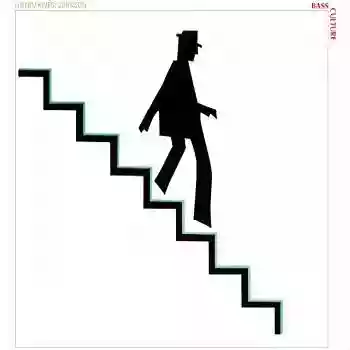
Forget about the Caribbean beach vibes, forget about finding background music for a joint with friends. This is the other side of reggae, as Linton Kwesi Johnson, the poet of dub, teaches: a dense and nocturnal sound, hypnotic and expansive, flavored with savory jazz aromas in the accompaniment and frequent instrumental codas. In this context, words sharp as machetes stand out. Words recited strictly in patois with a tone that shifts from declamatory to subdued and ironic, to vividly depict the reality of a Jamaican immigrant facing poverty and segregation (a reality experienced firsthand).
After the heights of "Forces Of Victory," the third album from the former member of the English Black Panthers is a new qualitative success where the title track opens with its mesmerizing and almost lysergic dizziness, paired with the dark yet languid echoes of "Street 66." Also noteworthy are the bursts of lyricism that emerge in the moving urban madrigal of "Loraine" and the heartfelt elegy of "Reggae Fi Peach," a vibrant and poignant tribute to a victim of power.
Pure poetry (or rather, dub poetry) that makes Linton Kwesi Johnson a worthy heir of his ancestors, the griots of West Africa, transplanted into the wet concrete jungle of London; the voice of the voiceless in the Brixton ghetto, of those who left the land of their fathers to escape hunger only to become entangled in Babylon, in a world that does not understand, mocks, and fears them and will inevitably lead them to say that "Inglan Is A Bitch".
Loading comments slowly
Summary by Bot
Bass Culture by Linton Kwesi Johnson is a hypnotic dub poetry album that explores the gritty realities faced by Jamaican immigrants in London. The album combines dense, jazz-infused soundscapes with sharp, evocative patois recitations. Key tracks like 'Bass Culture,' 'Street 66,' and 'Reggae Fi Peach' highlight Johnson's poetic and political voice. A compelling and immersive experience, it sheds light on poverty, segregation, and resistance.
Linton Kwesi Johnson
Jamaican-born poet and musician, a pioneer of dub poetry whose work from the late 1970s onward blends reggae/dub soundscapes with politically charged spoken-word in patois, addressing immigration, racism and urban life in Britain.02 Reviews
