
 •
Rating:
•
Rating:
THE REVIEW
Tired people return from work, weary and pensive, yet hopeful—the party is near, the future is near, you can touch it. It's almost night, the moon lights up the countryside, a great fire marks the way, musicians are tuning their instruments, the scent of rum and sangria fills the air. The sad silence will give way to music, love will inspire dreams, intoxication will bring pleasure, melancholy will bring dreams, and dreams will reveal life. We are within every reality.
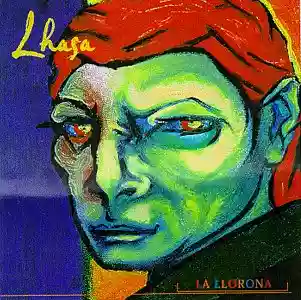
'La Llorona' is an album that can take you on a journey, a mental voyage that leads to peace, the inner peace that moves you, a true and profound music that goes beyond instruments and lyrics, a blend of styles: jazz, French chanson, and Romani music.
Lhasa is a Mexican Edith Piaf who takes us by the hand and guides us into a Mexican world that could be our own home. She experienced a nomadic childhood, traveling North America in a van with her sisters (circus artists, contortionists, and trapeze artists) and her parents—Mexican father and American mother (a gypsy music enthusiast). She speaks and writes in various languages, has a background in jazz singing, and numerous concerts in various American clubs. Traditional Mexican music and flamenco, a blend of classical instruments such as accordion, clarinet, violins, guitars, saw, and banjo, with occasional organ and strings. But the main instrument is Lhasa's voice, sensual and expressive, with various influences: tango, klezmer, Tex-Mex, and a passion for Tom Waits.
'La Llorona' is a figure from Mexican legend, a woman who, in a fit of rage and jealousy, threw her children into the river, and since then her ghost wanders, carrying her laments. It opens with the smoky and desolate "Decara A La Pased," where a musical saw and a sweet violin accompany Lhasa's voice as she sings her poetry to a lost love, with rain and splashes of water in the background. "Celestina" is rhythm and melody, a gypsy soul dancing around a fire at night, and a splendid clarinet closes the piece, introducing "El Desierto," pure Tex-Mex style with a whispered and scratchy voice in the chorus. "El Payande" introduces melodrama, with voice and acoustic guitar duetting and dancing, touching lightly and then moving apart. "Los Peces" is a traditional Mexican song, and people keep dancing as the fire burns and the sangria flows. "Desdenosa" is a tragic, red-tinged flamenco. "El Pajaro" features a gypsy clarinet and accordion. "Mi Vanidad" has a crystal-clear guitar arpeggio with theatrical and highly expressive vocals. "El Arbol Del Olvido" closes the circle, transporting thoughts to the next party.
An undeniable melancholy and a strong intensity surround Lhasa's music, her charisma is almost a given, her theatricality is impressive. Realism or Surrealism, as if it were a painting by Frida Kahlo... passion.
Loading comments slowly
Summary by Bot
Lhasa De Sela's album La Llorona is a deeply emotional blend of jazz, flamenco, and Mexican folk music that invites listeners on a contemplative journey. The music is rich with melancholy and theatricality, anchored by Lhasa’s expressive voice. Traditional instruments mix with diverse influences to create a vivid soundscape inspired by Mexican legend. This album is both a nostalgic and passionate musical experience.Tracklist Lyrics Videos
Lhasa
Singer-songwriter known for blending Mexican traditional music, French chanson, jazz and Romani influences; released La Llorona (debut), The Living Road (2003) and Lhasa (2009).02 Reviews
