
 •
Rating:
•
Rating:
THE REVIEW
"Mlah" is a journey on the road. Or rather, dans les rues. A multicolored itinerary that takes you through the streets of Paris. No, not those sparkling, romantic ones meant for distracted tourists eager for clichéd sensations and trendy spots. I’m talking about the other French capital, the one you experience through the poorer banlieues, among the immigration ghettos, primarily North African, where everyday life is a constant survival, the Paris of the rejected, of those traveling "in the obstinate and contrary direction". A microcosm that smells of spices and reeks of sweat, a child of colonialism that now seems distant.
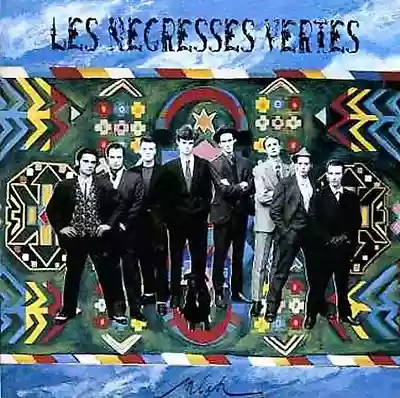
"Mlah" is the debut album of this eclectic band: it’s an array of colorful murals painted with a blend of traditional French, Mediterranean, Gypsy, and Arabic music that resulted, in 1988, in something pleasantly fresh and modern. Don’t be too misled by certain festive and boisterous atmospheres, the green negresses are not just a burst of joy and liveliness but also and especially pure poetry, pain, and marginalization.
Les Négresses Vertes were spokespersons for that social discomfort that is redeemed through street art and music, where ethnic differences no longer exist and dividing walls collapse thanks to an explosion of creativity and multicultural coexistence. Similarly, Mano Negra, with their "patchanka", offered the same sounds and content in a more rock key (somewhat inspired by the Clash) and less traditional, making them marketable even abroad. A potpourri of Gypsy music, flamenco, and pop, based on the same musical formula, was finally mainstreamed and trivialized by the uninspired Gipsy Kings, who are only good for commercials and an unpretentious weekend at the beach.
The second album "Famille Nombreuse" definitively cemented the band's success until the group leader, Helno Rota, died in '93 from an overdose; an event that inevitably sent the group into crisis, although despite the severe loss, they released another 5 albums from that year until 2001, ending in 2006 with the release of "A l'Affiche".
What more is there to say? That's enough, I hope I’ve piqued the interest of at least a few who didn’t know Les Négresses Vertes or had only heard of them and that I have paid modest homage to these commendable French artists who, mysteriously, were absent on DeBaser.
Loading comments slowly
Summary by Bot
Mlah by Les Négresses Vertes is a debut album that captures the essence of lesser-known Paris streets, blending French, Mediterranean, and Gypsy influences. The music balances festive energy with poetic themes of pain and marginalization. The band served as creative spokespersons for multicultural coexistence, akin to contemporaries Mano Negra. Despite the tragedy of their leader Helno Rota's death, the group's legacy continued with more albums until 2006. This review honors their unique contribution to French alternative music.Tracklist Lyrics Videos
Les Négresses Vertes
French music group formed in 1987, known for an eclectic blend of traditional French, Mediterranean, Gypsy and Arabic influences showcased on their 1988 debut Mlah. Vocalist Helno (Noël Rota) died in 1993.01 Reviews
