
 •
Rating:
•
Rating: THE REVIEW
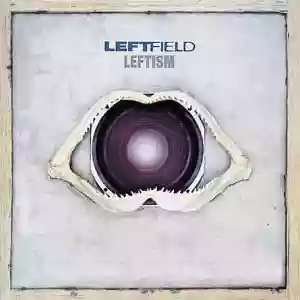
Leftism turns ten years old. What better occasion to discover it? The best dance record ever according to DJs and insiders reaches its tenth anniversary.
Following the best tradition of electronic music, Leftfield is a duo (see Chemical Brothers, Daft Punk, Dust Brothers, Lamb, Underworld...) formed by Neil Barnes and Paul Daley.
The album features eleven tracks including the classic singles dated '92 "Release the pressure" and "Song of life". The first starts mystically and ritually deep, dark, and black with Earl Sixteen's rich voice, then a playful rhythm is revealed as an irresistible house beat. "Song of life" also starts almost mysteriously like distant female voices or ethno angel choirs, but in an increasingly epic crescendo, different rhythms, noises, and distortions are triggered, with soft danceable beats interspersed with scratches.
The coordinates of this album are mainly deep house (which sometimes, just like in "Song of life," becomes so sparse that it touches techno—a techno that is almost liberating) and acid jazz, electronic sounds that bring to mind an idea of swift and manipulated funk, and the rhythms of Africa with their warmth and booming sacredness. Perhaps the sound can resemble that of the more trance-like Chemical Brothers, but there’s a much stronger streetwise attitude that makes the atmosphere more real.
Apart from these two tracks, it also contains their classic par excellence from '93 "Open up." Over a sustained rhythm that plays entirely between techno and noise and punk-derived electronic aesthetics, John Lydon's voice fits perfectly. Frenetically ecstatic, it almost seems like a cry for help. The track is extremely liberating, raising the urge to run and escape, to move disorderly in vast spaces. In moments of broader breathing, it echoes the dub suggestions of PIL, immersing them in a rave context.
The tracks contemporary to the album's release maintain the expectations of the singles. In "Afro-left" an intriguing hybrid is created that includes the African roots of the rhythm strongly based on percussion (even Djum Djum's voice acts as a rhythm) and a proto-industrial sonic assault.
The whole album is infused with a desire to experiment with different musics and cultures, creating a profound house indebted more to Africa than to funky sounds. It’s an album of strange colors that adds an artificial bluish light to the warmth of the black rhythms. But above all, it is still a very fresh album today, a mine of often innovative ideas. No, it is not the best dance album ever, but it is a pillar of electronics not just in the last decade.
Loading comments slowly
Summary by Bot
Leftfield's Leftism celebrates its tenth anniversary as a highly influential electronic album. The duo blends deep house, acid jazz, and African rhythms to create a rich, experimental sound. Classic tracks like 'Release the Pressure', 'Song of Life', and 'Open Up' demonstrate their innovative approach. The album remains fresh and influential, regarded as a pillar of electronic music.Tracklist Lyrics Videos
Leftfield
Leftfield are a British electronic music group formed by Neil Barnes and Paul Daley, central to 1990s progressive house and techno. Their acclaimed albums Leftism (1995) and Rhythm and Stealth (1999) cemented their influence. After a hiatus, Barnes revived Leftfield, releasing Alternative Light Source (2015) and This Is What We Do (2022).04 Reviews
Other reviews
By ZiOn
How many bridges can they burn, till we turn?
How many dreams TERRORIZED, till we rise?
