
 •
Rating:
•
Rating:
THE REVIEW
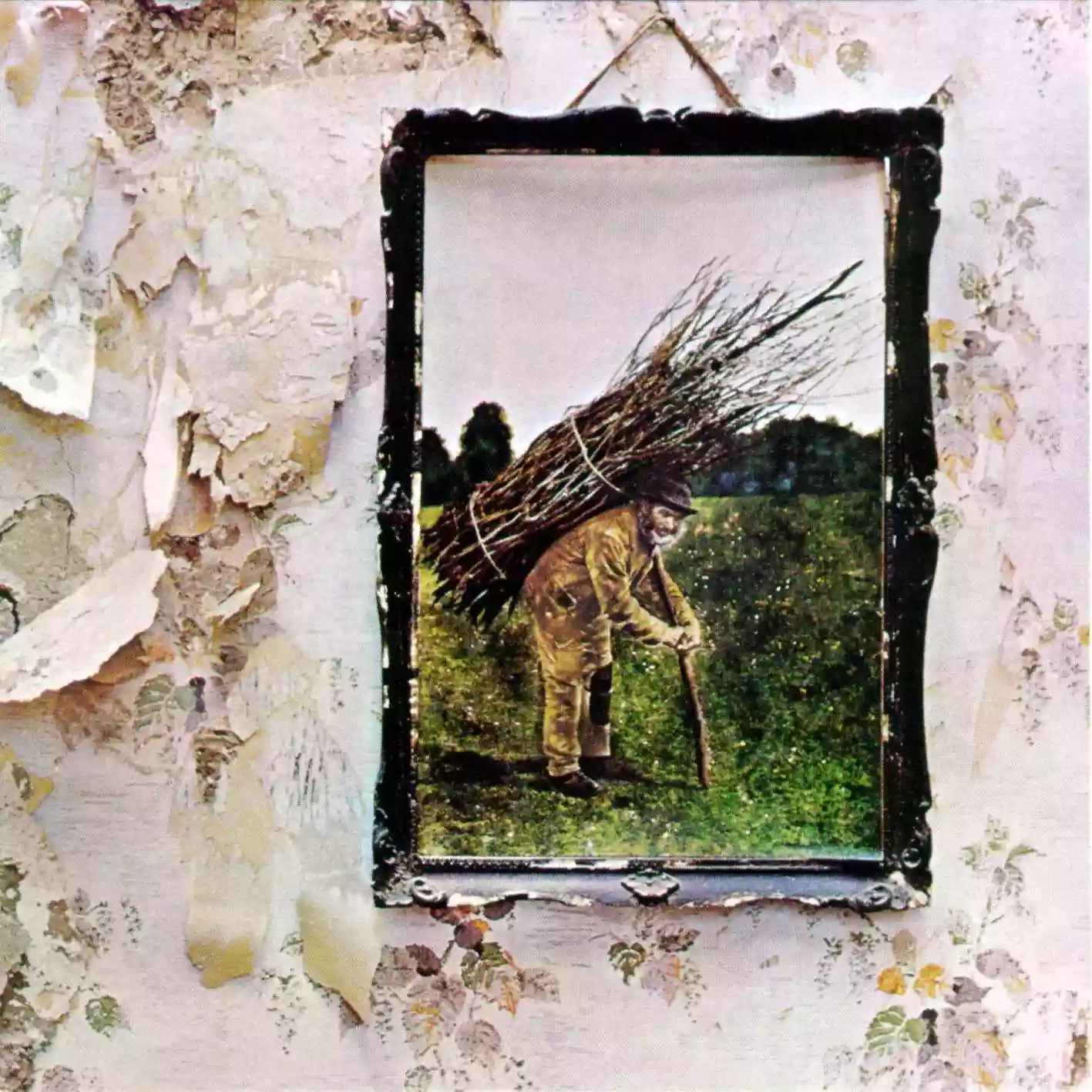
The fourth album by Led Zeppelin, released on November 8, 1971, by Atlantic Records, is devoid of an official and identifying title. It took this name, after a long debate within the record label, as a logical consequence of the enumeration of Led's previous efforts. It was a colossal success, especially in America, where it sold 23 million copies and remained on the charts for 268 weeks, and then throughout Europe, passing through Australia. The album lasts 42 minutes, with a total of eight tracks. It is a masterpiece; yes, okay, it may be cliché to say, but it must be reiterated: MASTERPIECE. The first three tracks, just to give you an idea, are: "Black Dog," "Rock ‘n’ Roll," and "The Battle of Evermore." A spontaneous yet deliberate rush of adrenaline, a combination of idyllic sound and such enormously ingenious writing ability that gave birth to the musical and cultural revolution of the '70s. Robert Plant seemed possessed by a demon that brought out untarnished and illuminating gems, a creativity that had neither predecessors nor successors. Jimmy Page, an absolute deity to whom we bow with reverence and genuine respect. He and the guitar were one, they controlled and repelled each other, loved and hated in unison, caressed and stabbed each other as only two perfect lovers can do. In this album, there is everything and its opposite. There is heresy and utopia, genius and shameless naturalness, madness and melancholic rationality. It's like being on a roller coaster, a continuous ascent and descent, balancing between dream and passion. If everything were explainable, this album would be a Van Gogh painting, a book by Saramago, or a play by George Best. If everything were explainable, "Stairway to Heaven" would not exist. They are eight minutes of total enjoyment, of inner persuasion that tears you apart and crushes you, yet at the same time saves you. They are eight minutes in which you detach from yourself, traveling towards a sort of hyperuranium that welcomes you disoriented. This song generates a hypnotic, mesmerizing effect that is inexplicable: neither humanly nor literarily. And then that solo, so perfect, so poetic, so terribly epidermal. That solo that enters you without asking permission, that runs through your veins laying down any battle axe. There are no words, expressions, mental masturbations, that can narrate this album because it is perfect as it is. It was perfect when it was conceived and, those things, could not have been said any other way than this. We are faced with a disarming work of art, without fathers or masters, but a child of everyone.
Loading comments slowly
Summary by Bot
Led Zeppelin IV, released in 1971, is hailed as a timeless masterpiece that revolutionized 1970s rock music. Its eight tracks, featuring iconic songs such as 'Stairway to Heaven,' showcase the raw creative power of Robert Plant and Jimmy Page. The album balances intensity with poetic genius, delivering an unforgettable listening experience. It remains a cultural and musical landmark decades after its release.Tracklist Lyrics
Led Zeppelin
Led Zeppelin were an English rock band formed in 1968 by Jimmy Page with Robert Plant, John Paul Jones and John Bonham. They became one of the most influential rock groups of the late 1960s and 1970s; the band disbanded after John Bonham's death in 1980.109 Reviews
