
 •
Rating:
•
Rating:
THE REVIEW
Laibach is an artistic collective born in 1980 in Trbovije (Yugoslavia, from 1992 Slovenia) dedicated to theater, painting, and, what interests us most, also to music.
Their corporate name is nothing other than the German name for Ljubljana (now the capital of Slovenia), through which they intended, not even covertly, to claim their Alpine and Central European origins, which, in the still-united Yugoslavia, recently orphaned by Tito, caused them not a few problems. Their discography is quite varied and not always of excellent level: soundtracks for theatrical works, albums of grotesque covers, alternative dance, industrial metal, and symphonic music. Their beginnings, however, are unknown to most, and probably offer the most artistically valid part of their journey.
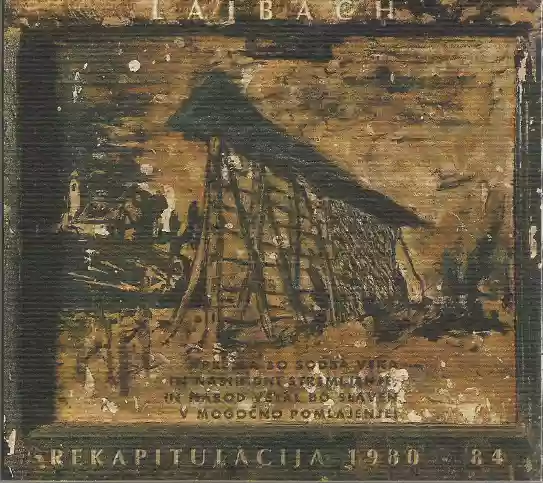
The collection “Rekapitulacija” gathers what was recorded in the first five years of activity (80-84) before the debut album for the international market, namely “Nova Akropola” from '85. Laibach's declared intent was to recreate in music the terror exercised by totalitarian regimes to have control over the masses, and the result is rather original and interesting, although of difficult accessibility. Classified as “industrial”, Laibach actually had very little in common with the walls of noise of Einsturzende Neubauten or the dirty and abrasive electronics of Throbbing Gristle; their music was much more minimal and less instinctive compared to that of their colleagues and was often constructed on dark, martial rhythms of electronic drums, with which they intended to recreate the effect of a military parade, a forced labor camp, or the horrors of a battle.
Almost all the tracks from this early period were exclusively instrumental but, when present, a stentorian voice contributed to recreating the intended atmosphere of terror, be it that of the declamatory “Brat Moj” and “Mi Kujemo Bodocnost”, or that of the bellicose “Cari Amici Soldati”, almost a caricature of Mussolinian propaganda. The remastered reissue of 2002 features two live bonus tracks: the evocative exorcism of “Vade Retro Satanas” and the even more chilling sung version of “Smrt Za Smrt”, with a text that seems like a grandguinoulesque snapshot of a concentration camp or a purge.
If throughout their career the Laibach project has often been sarcastic and boisterous, at least in this case it has proven to be terribly serious, managing to reinterpret in music the darkest pages of the twentieth-century European history.
Loading comments slowly
Summary by Bot
Laibach's 'Rekapitulacija 1980-84' offers a compelling look into their early years, focusing on dark, minimal industrial music inspired by totalitarian regimes. Unlike more abrasive contemporaries, their sound is martial and atmospheric, evoking military parades and horrors of war. The collection highlights the band's serious artistic intent to sonically reinterpret Europe's darkest 20th-century history. The 2002 reissue adds chilling live tracks, deepening the haunting experience. This album is a significant entry in Laibach's varied and provocative discography.Tracklist Lyrics
Laibach
Laibach is a Slovenian industrial/avant‑garde music group formed in 1980 in Trbovlje and a founding member of the Neue Slowenische Kunst (NSK) collective. Renowned for provocative use of totalitarian aesthetics, they deconstruct popular culture through radical reinterpretations and multimedia work.06 Reviews
