
 •
Rating:
•
Rating: THE REVIEW
High plains adorned with sporadic thorny shrubs, isolated groups of acacias, and barren date palms.
The impetuous sammun, a fiery, dry, scorching wind, blows over clay basins encrusted with saline and gypsum formations.
The air is thick, laden with sand, the sun is blazing.
The land is bare, desert-like.
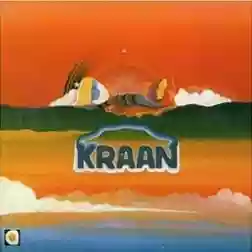
This is the wild, primordial landscape wonderfully evoked by "Kraan", the brilliant debut of the eponymous "Teutonic" band.
We are in 1972.
The sonic blend is tribal, primitive, filled with a jazz-rock with a strongly Mediterranean flavor, characterized by pronounced exotic influences and abundantly embellished with long wind instrument incursions (the alto sax is "fundamental" in this album).
The atmosphere is warm throughout, sultry, significantly imbued with oriental sounds and with total expressive freedom, peculiar to the band itself.
Insistent percussion, bongos, drums, alto sax, and electric guitar splendidly converse, relentlessly chasing each other, in the spirit of wild free jazz, in "Kraan Arabia", which already from the title shows the marked Middle Eastern influences typical of the group. The spicy "wall of sound" created by the group, however, reaches its paroxysm in "Head", eighteen minutes of pure improvisation, a forge of varied, polychromatic, kaleidoscopic sounds; the sound is magmatic, uncontainable, a violent downpour in these dusty and arid steppes, characterized by impetuous and pounding percussive peaks, picturesque "Pindaric flights" of alto sax, and impetuous guitar bursts that introduce atmospheres with a veiled psychedelia.
In this primeval "sound orgy", even "mainstream" gems (M.C. Escher) emerge, with ephemeral vocal parts and brief organ interludes that assist a splendid blend between wind instruments and electric guitar. Also interesting are "Sarah's Ritt durch den Schwarzwald" and "Sarah auf der Gänzwies", respectively the opening and closing tracks (a kind of "reprise") in which a marked dose of sound experimentation and decidedly "electric" moods are evident; all always immersed in a dense lysergic layer reminiscent of the early works of Embryo.
An intoxicating journey into the mysterious eastern lands. Multiform "sonic babel".
Kraan, 1972.
Recommended.
Loading comments slowly
Summary by Bot
Kraan's 1972 self-titled debut album captures a primal, tribal atmosphere with a strong Mediterranean and Middle Eastern jazz-rock fusion. The album features extensive improvisation and a rich use of alto sax and percussion. Highlights include the epic 'Head' and experimental opening and closing tracks. The sound is described as vibrant, exotic, and reminiscent of early Embryo works. Highly recommended for lovers of expressive, boundary-pushing music.Tracklist Videos
Kraan
Kraan are a German jazz‑rock/krautrock band formed in the early 1970s, noted for elastic grooves, extended improvisation, and a blend of fusion and funk. Core members include Peter Wolbrandt (guitar, vocals), Hellmut Hattler (bass), Jan Fride (drums), and Johannes “Alto” Pappert (alto sax). Key releases span Kraan (1972), Wintrup, Andy Nogger, and the concert landmark Kraan Live (1975).03 Reviews
